All posts by James L. Mcelhinney

ART OF THE SPECTACLE: A Memoir in Two Parts

“I soon discovered that by walking into the loading-dock, and then up a flight of stairs, one could bypass the admission desk. Perhaps because I wore a coat and tie, the security guards never challenged me. They may have mistaken me for the offspring of a curator, or board member. My parents were nonplussed one day, when one or two of the guards greeted me with friendly nods. During one of my solo Saturday visits, I spotted a herd of well-dressed adults making their way into the special-exhibitions galleries. Being curious, I followed them into the opening reception of a van Gogh retrospective. My mother owned a copy of Lust for Life, but despite having seen the movie, and Starry Night at MoMA, being surrounded by dozens of Vincent’s paintings was overwhelming. Standing in the center of the room was a tall man with an aquiline nose and thinning gray hair. Beside him stood an attractive woman, helping him greet a steady flow of well-wishers. I hung back, but he caught my eye and smiled. The man was Vincent Willem van Gogh; the artist’s nephew.”


WAKING THE DEAD: Shades of the Late Unpleasantness

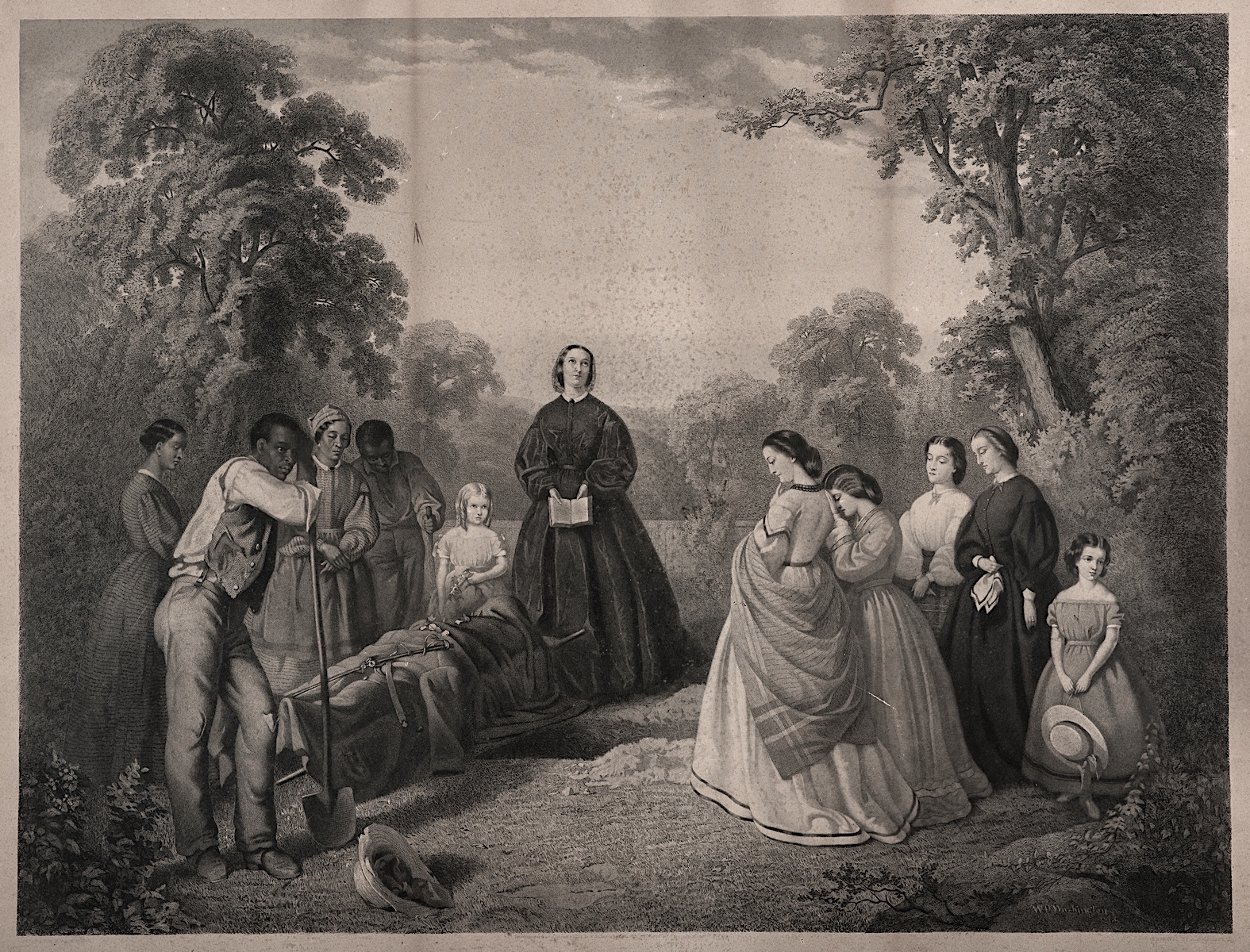
William H. Washington . The Burial of Latané. 1864. Engraving by A.G. Campbell. Collection Virginia Historical Society. Reproduced under Fair Use, etc.

“Getting back in the car, we drive back to River Road, which curves leftward in its descent to the floodplain. Flanked  on both sides by farm-fields, the road comes to a T-intersection. Straight ahead lies a band of trees along the Pamunkey River. To the south, fields stretch into the distance. The ground rises gently, forming low bluffs on the right. At the tree-line we make a ninety-degree left-hand turn, and then left again onto a grassy farm-road running between the fields. Now heading west, the fields on either side are planted with corn, with stalks eight to nine feet high. I ask Willie if being in high corn was the same as being in high cotton. She couldn’t say. We turn right onto another farm-road running north between the fields. Patches of the maize the size of city blocks had already been harvested, hewn to a stubble. Through one of these clearings I behold a cluster of trees. Following another bumpy farm-road, we come to a grassy lane, turn right and find ourselves at the edge of a small family graveyard. Willie is amazed at the remoteness of the site, comparing it to the spot where Stonewall Jackson’s arm is buried, on the Lacy farm near Wilderness Church. Getting out of the car, we walk around the little park. Planted with boxwood hedges, an ancient tree towers overheads, providing welcome shade. Arrayed within the walls we find an orderly collection of eighteenth-century stone sepulchers, but no sign of Latané’s grave. Nestled within a clump of shrubbery we find a cast-iron state historic marker set atop a stone altar. Its text unfolds the tale of Latane’s death, and his burial by the Brockenbrough women. Setting her homemade wooden box-camera on a tripod, Willie makes half a dozen exposures. Finally, I am ready for my closeup. She readjusts the camera. I lean on the marker. With utmost gravity, Willie says, “Now. Hold still!” “Don’t forget to get the ghost,” I shoot back. “That’s not funny!” she replies with a pained look. “Hold still. Don’t talk.”

Follow The Sketchbook Traveler on Facebook, Linkedin, Twitter and Instagram.

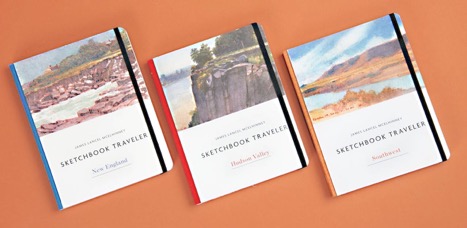
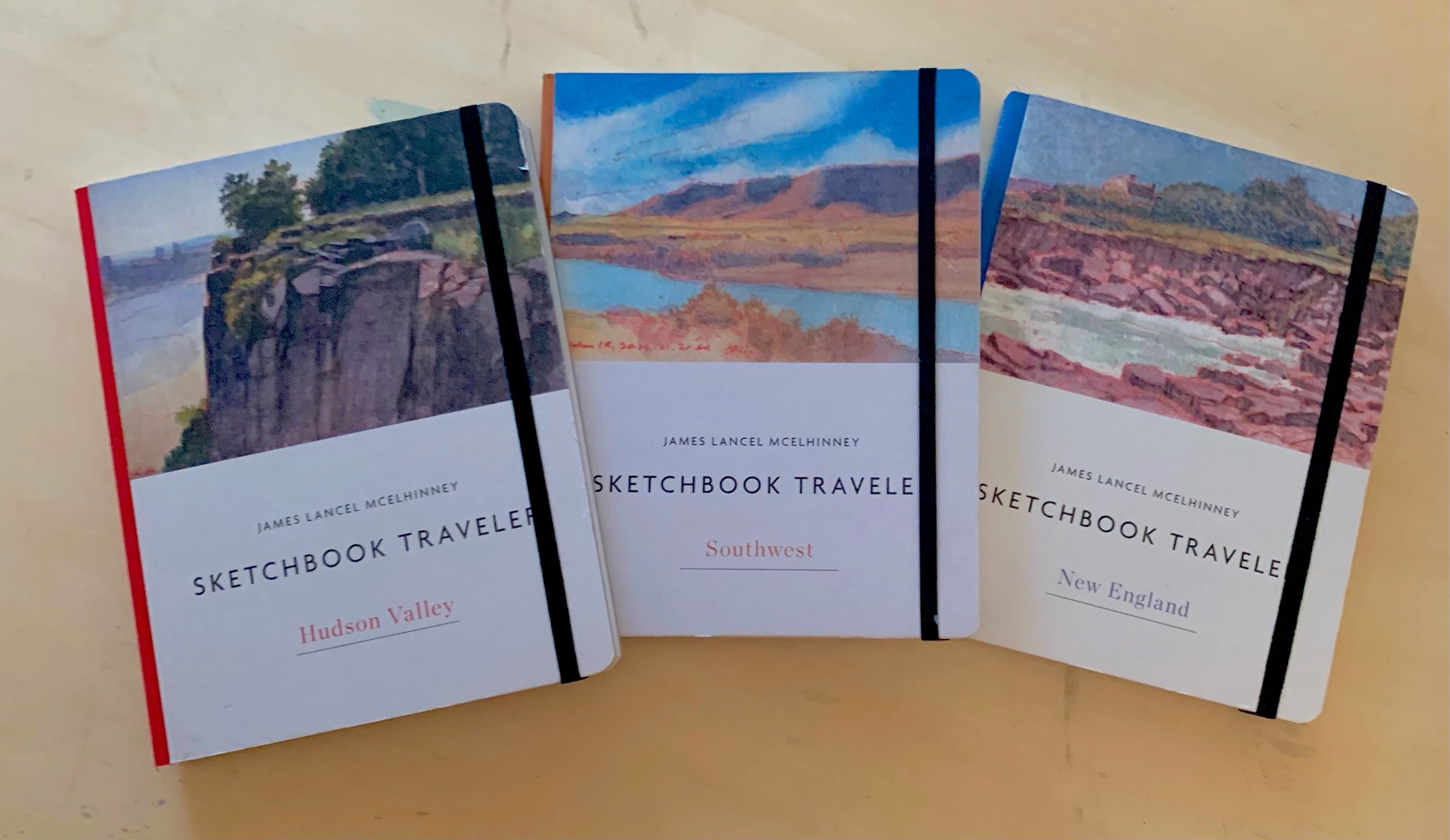
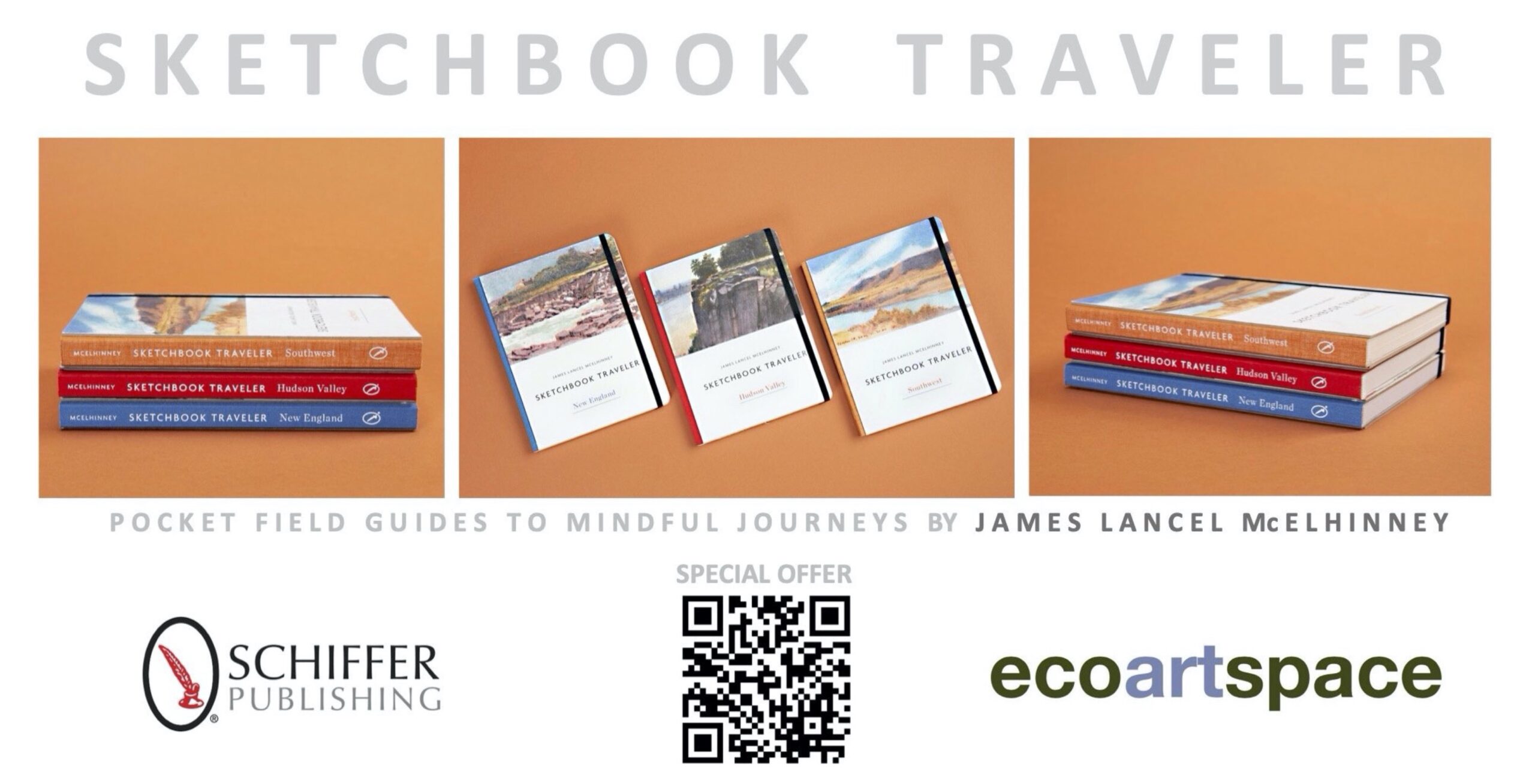
Now available: SKETCHBOOK TRAVELER: Special Offer from Ecoartspace.org: All three volumes for $45.00 (a savings of $29.85) ORDER HERE

TOP OF THE WORLD: Volcanoes, Vikings, Hookups, and Little Talks

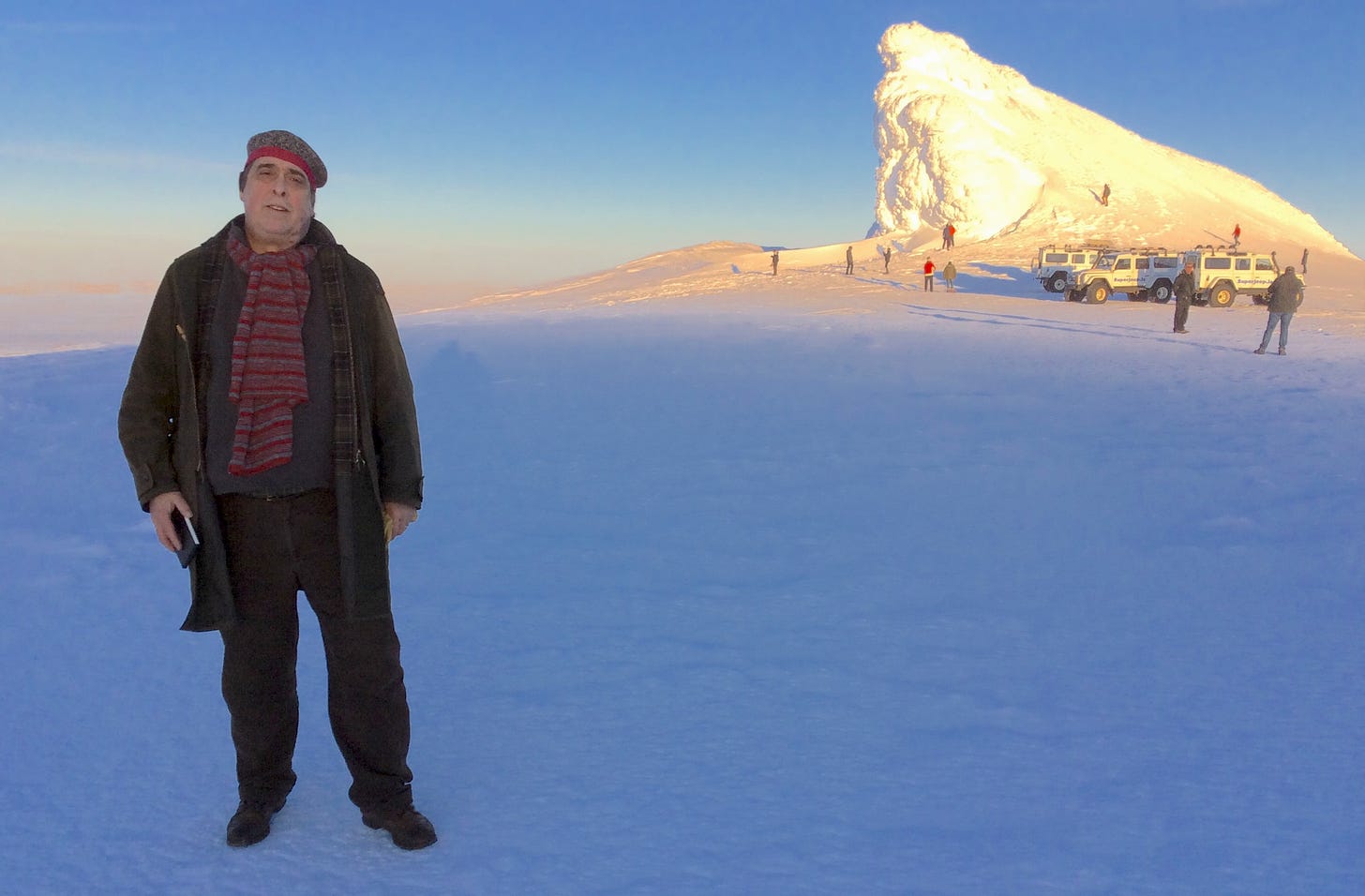
Kathie had booked a waterfall tour for Sunday. Things did not go as planned. In, stead, they went far better than expected. Three Super Jeeps made up our caravan. Leaving Reykjavik, we head east on Highway 1, the southern coast road. Passing route 38 on our right, the land drops away. A broad inlet off to our right is fed by an estuary that snakes across the plain below. Passing the foot of table-lands rising steeply to our left, we drive past the town of Selfoss. Our driver Arni (pronounced “Arnie”) informed us that Chess-champion Bobby Fischer is buried at a churchyard not far from here. “I thought Fischer was Jewish,” I replied. “How is it that he is buried in a churchyard?”  Arni couldn’t say for sure, but he explained that most Icelanders are Lutheran, and not by choice. When the island fell under Danish rule, Lutheranism was the compulsory denomination for all legal baptisms.    “The story we Americans are told in school,” I tell Arni, “was that Leif Ericsson had converted to Christianity a thousand years ago.” “That may be true,” Arni replied, “but many continued to worship the old gods. Some still do.” I tell him about how indigenous Puebloan towns in the American Southwest celebrate both Catholicism and traditional Kiva mysteries—not in defiance of Christianity, but in a blending of spiritual traditions. Early Christian Europe was syncretic; building its flock by converting pagan deities into Christian saints. Medieval cathedrals were often built on the site of Roman temples that had replaced indigenous places of worship. “That’s very interesting,” Arni replies, “but I don’ think the Lutheran church would go for it.” I ask him how Icelanders were persuaded Icelanders to go along with the church. Arni laughed. “We finally agreed to embrace Christianity, but only if the church let us keep our slaves and eat our horses.”

Follow The Sketchbook Traveler on Facebook, Linkedin, Twitter and Instagram.

Now available: SKETCHBOOK TRAVELER: Special Offer from Ecoartspace.org: All three volumes for $45.00 (a savings of $29.85) ORDER HERE


Incidents of Travel on Contested Ground

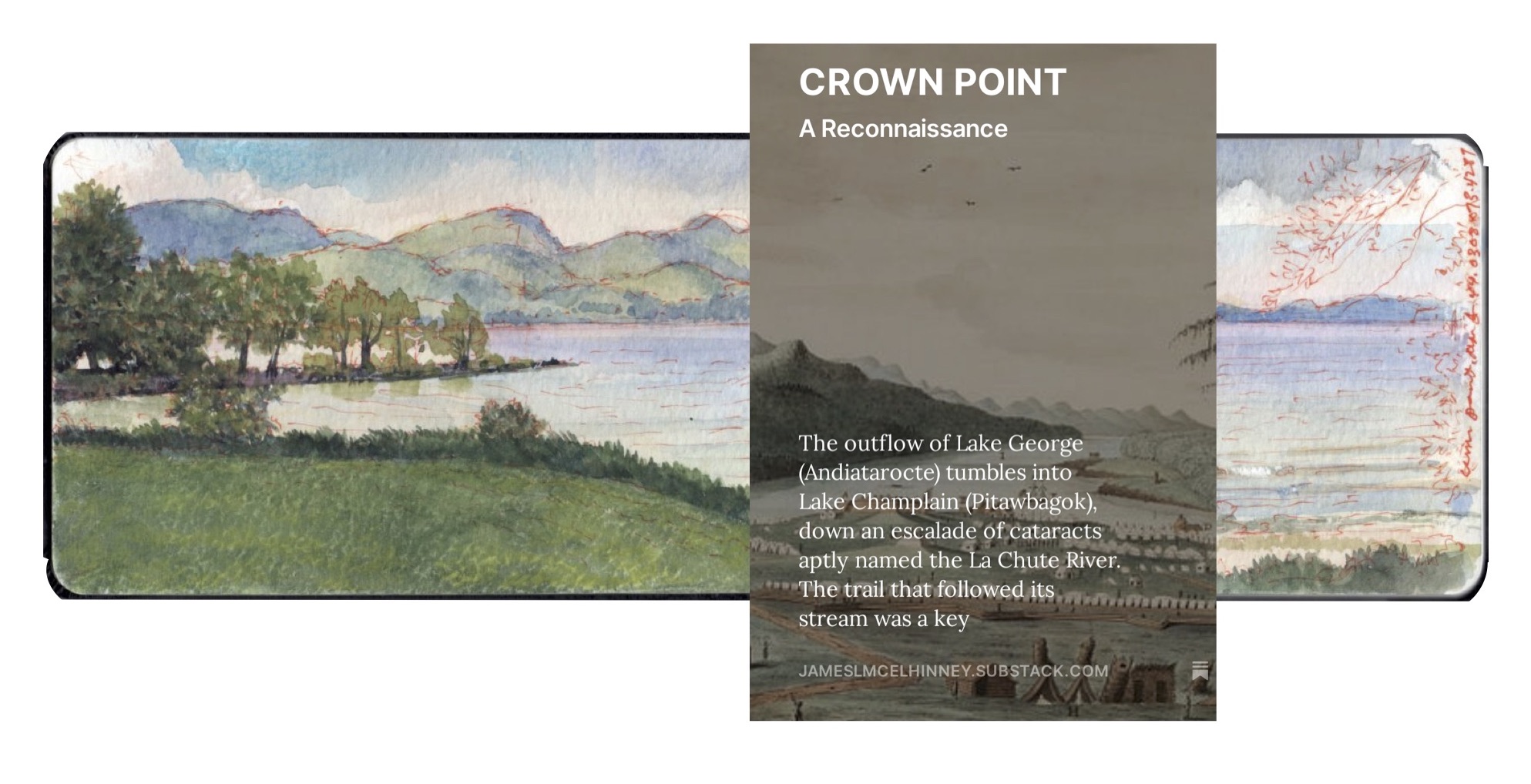
The outflow of Lake George (Andiatarocte) tumbles into Lake Champlain (Pitawbagok), down an escalade of cataracts aptly named the La Chute River. The trail that followed its stream was a key portage (carrying-place), between the Saint Lawrence watershed and the Hudson Valley. The land north of the narrow waterway functioned as a no-man’s-land between Mohawk (Kanien’kehá-ka) and Abenaki (Wôbanakiak) territories. To the west, the iron hills of the western Adirondacks. The eastern boundary of this contested ground is the river-like stretch of upper Lake Champlain. The northernmost extremity of this demilitarized zone is a thumb-shaped peninsula, bordered on the west by swampy wetlands and Bulwagga Bay. This finger of land is known today as Crown Point—not be confused with the village on Putnam Creek five miles to the south. The origin of its name is a matter of conjecture. The French dubbed it Pointe á la Chevelure, because its shape resembled a trophy scalp. During peacetime in precolonial times, this headland served as a meeting-place and trading hub. During periods of hostility, it became a bloody battleground. In 1609, Samuel de Champlain organized an expedition of Wyandot, Algonquin and Montagnais warriors to seize control of the strategic La Chute portage. Haudenosaunee warriors hastened from the Mohawk Valley, to meet the invaders somewhere between Crown Point and Ticonderoga. As both sides traded boasts and insults, the French explorer stepped forward with sang-froid, lowered his arquebus, and blasted a load of buck and ball into the Iroquois formation. When the smoke cleared, three chiefs lay dead on the field. The rest dispersed in terror, unaware that what awaited them in the centuries to come  would prove to be far worse.

NAMTA BOOK TALK: Sketchbook Traveler New England. Recorded October 24, 2023. Watch Now

On Tuesday October 24, 2023, I delivered an online book talk hosted by NAMTA:  the International Art Materials Association, which is comprised of. . . “suppliers, retailers and creative professionals in the fine art and craft materials industry—provide the tools that empower artists and makers to inspire the world.” (The recording is 31.54 minutes)  

WATCH NOW


ORDER YOUR COPY HERE

READ MORE: WEEKLY DISPATCHES & UPDATES


UNIQUE COLLECTING OPPORTUNITY

New Monotypes by James Lancel McElhinney  at William Havu Gallery
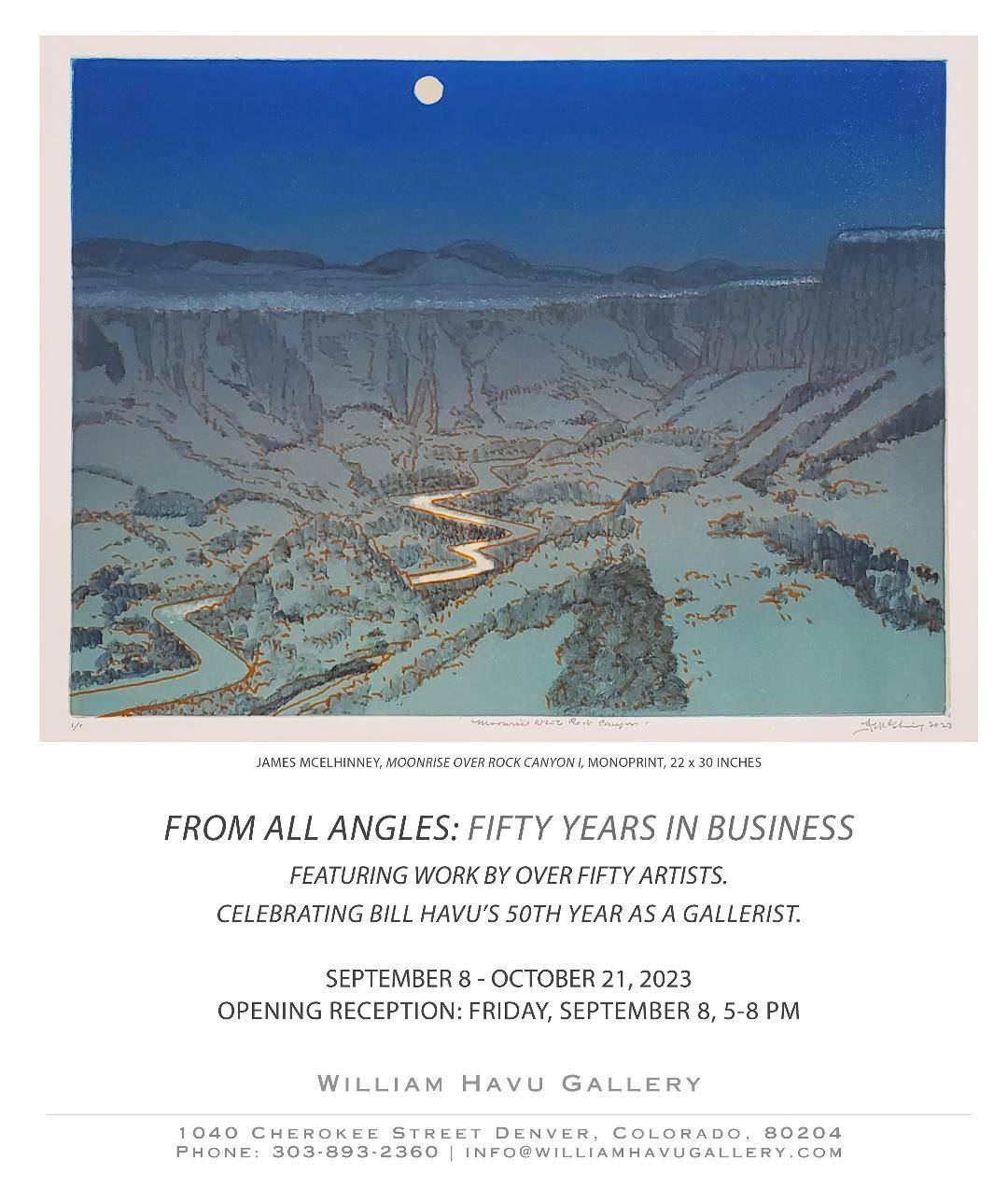
New monotypes by James Lancel McElhinney monotypes were produced by renowned master printer Michael Costello of Hand Graphics in Santa Fe, who has also worked with artists such as Woody Gwynn, Edgar Heap of Birds, Forrest Moses, Nathan Olivera, and Kay WalkingStick. These unique images are created with 100% archival materials; printed with oil-based inks on Rives BFK etching paper, using a technique known as Chine-collé (Chinese-pasted), in which the painted image is printed onto a thin sheet of semi translucent paper, secured to the substrate paper with wheat starch paste. The paper used in this process is Kitakata Awagami—an acid-free Japanese paper made of Philippine gampi fibers. A unique linear image was drawn by hand onto the Kitakata with a bamboo pen in orange ink. Each monotype was made with multiple impressions on a Takach etching press.

For information email

in**@wi****************.com


, or call +1 (303) 893-2360
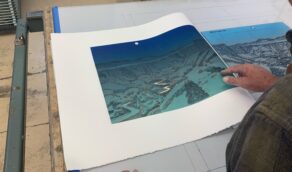

Moonrise White Rock Canyon, coming off the press at Hand Graphics Santa Fe

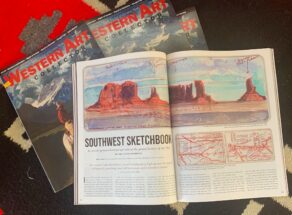
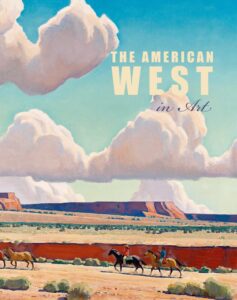
James Lancel McElhinney was featured in the new book The American West in Art: Selections form the Denver Art Museum (2022) and in the March 2023 issue of Western Art Collector magazine.
.   

His artworks can be found locally in the collections of the Denver Art Museum Petrie Institute for Western Art, and the University of Denver Library Special Collections. His works are also found in the collections of:

Albany Institute of History and Art. Albany, New York
Avery Fine Art and Architecture Library, Columbia University
Boscobel House and Gardens, Garrison, New York
City of Philadelphia. Water Department Archives.
Free Library of Philadelphia. Print and Picture Collection
Historical Society of Pennsylvania. Philadelphia Pennsylvania
Hudson River Museum, Yonkers New York
Huntington Library and Museum, San Marino, California
Newberry Library. Chicago, Illinois
New York Public Library. Wallach Division of Art, Prints and Photography
Pennsylvania Academy of the Fine Arts. Archives and Special Collections
Swarthmore College. Library Special Collections
Temple University. Samuel L. Paley Library Special Collections
West Point Museum, United States Military Academy
Yale Beinecke Rare Book and Manuscript Library. New Haven Connecticut
And private collections in California, Colorado, Connecticut, Illinois, Massachusetts, Missouri, New Jersey, New Mexico, New York, North Carolina, Pennsylvania and New Zealand.

 

Sketchbook Traveler: New England is Now Available to Own

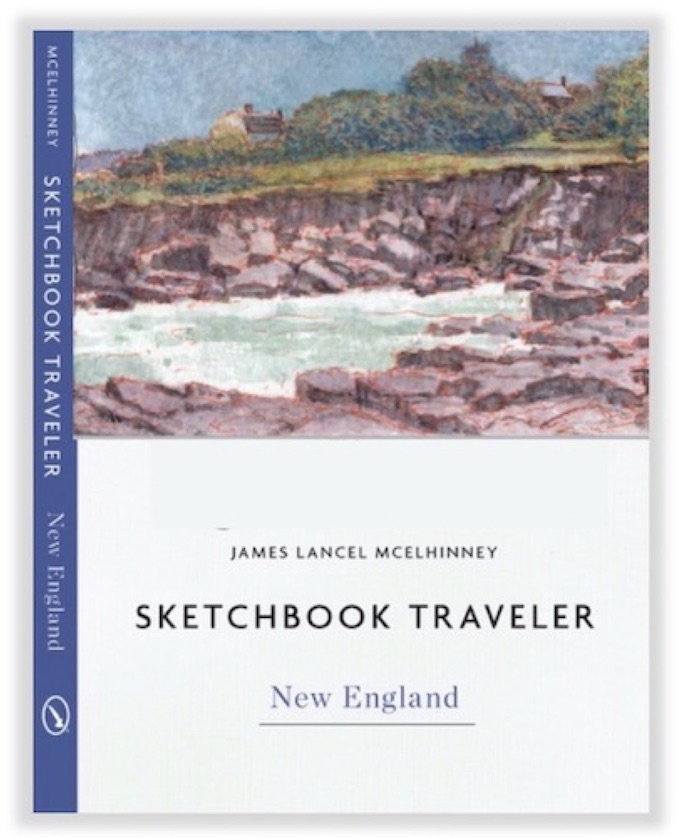
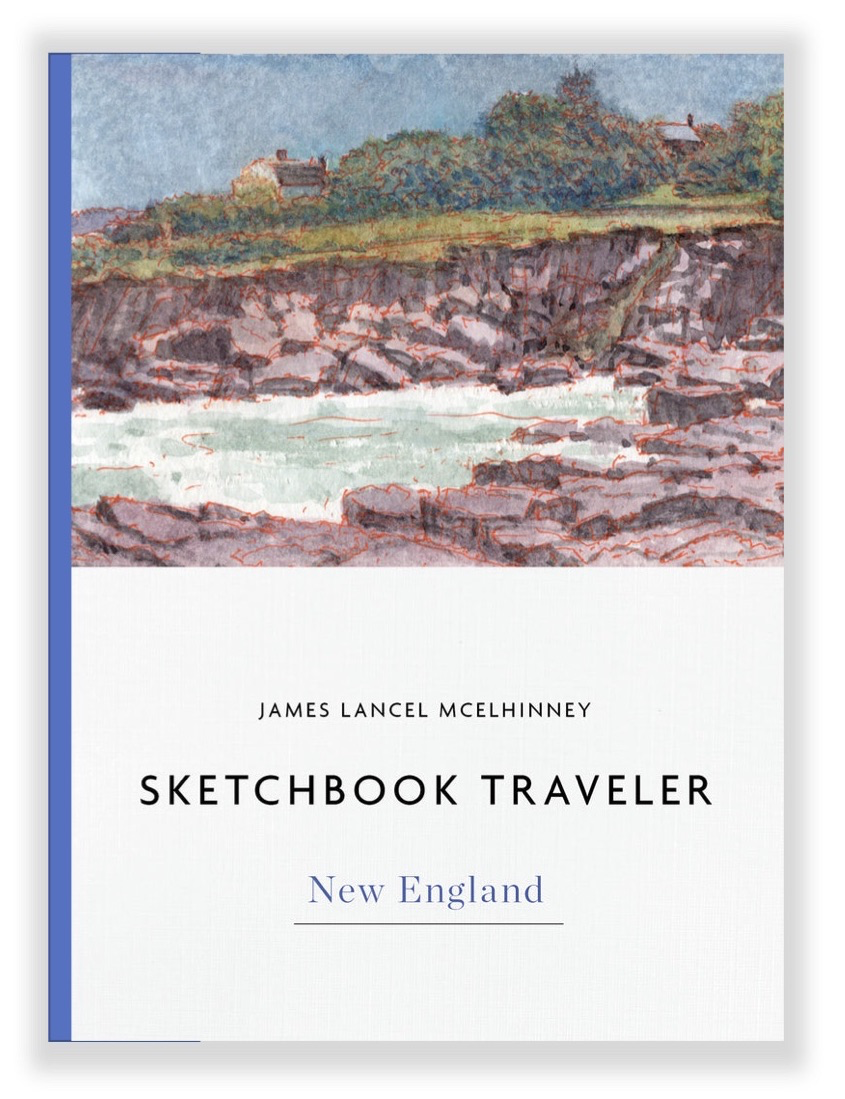
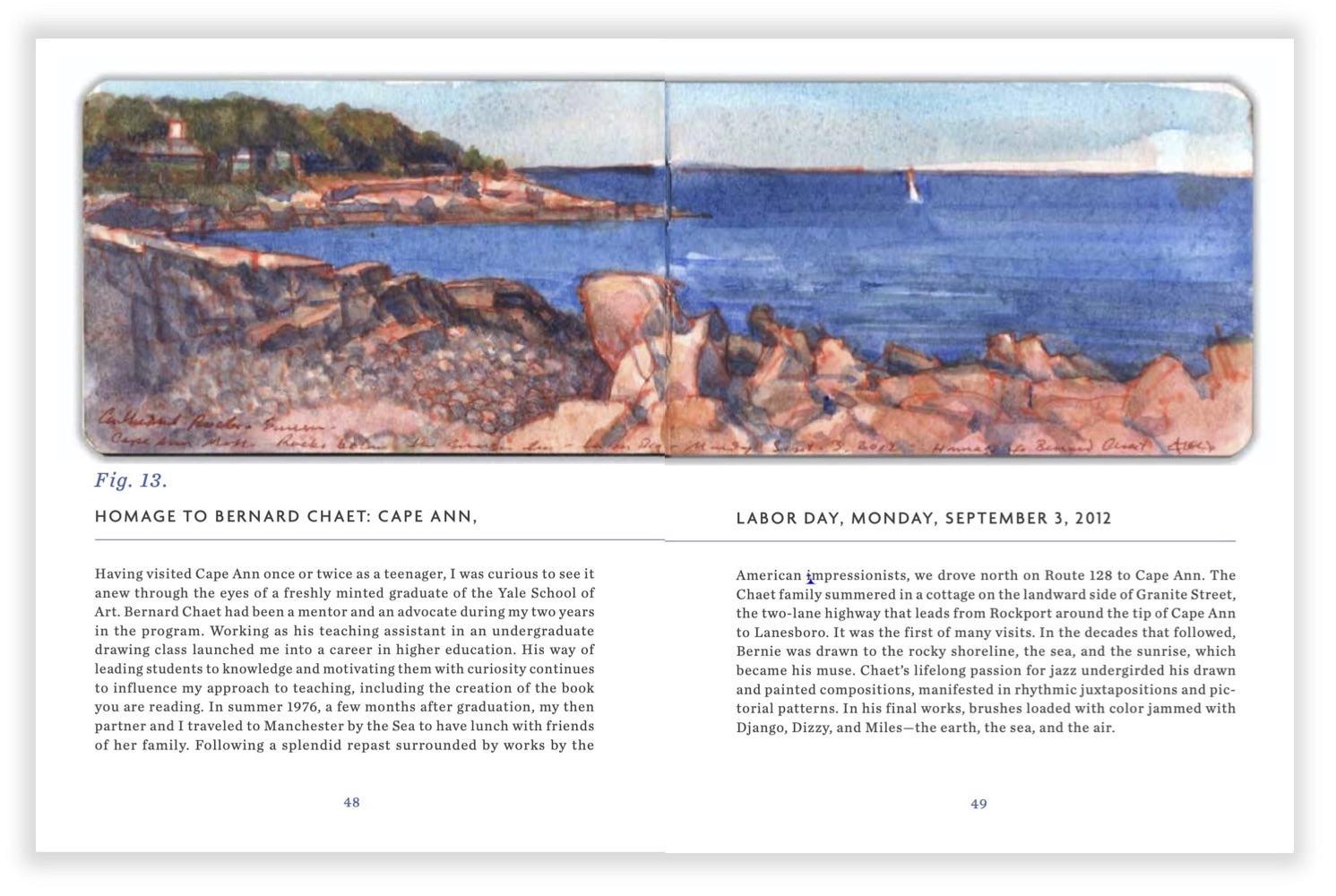
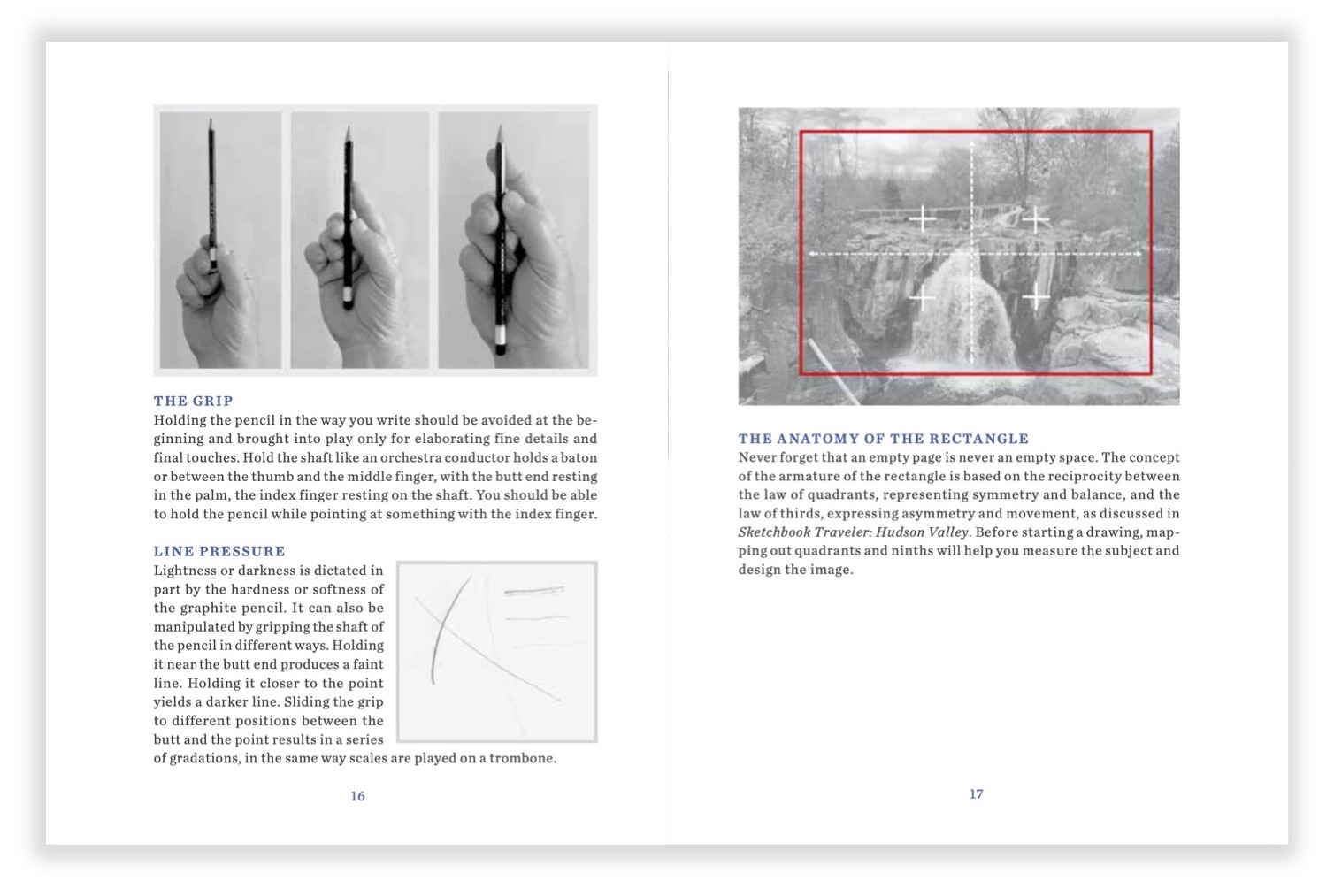
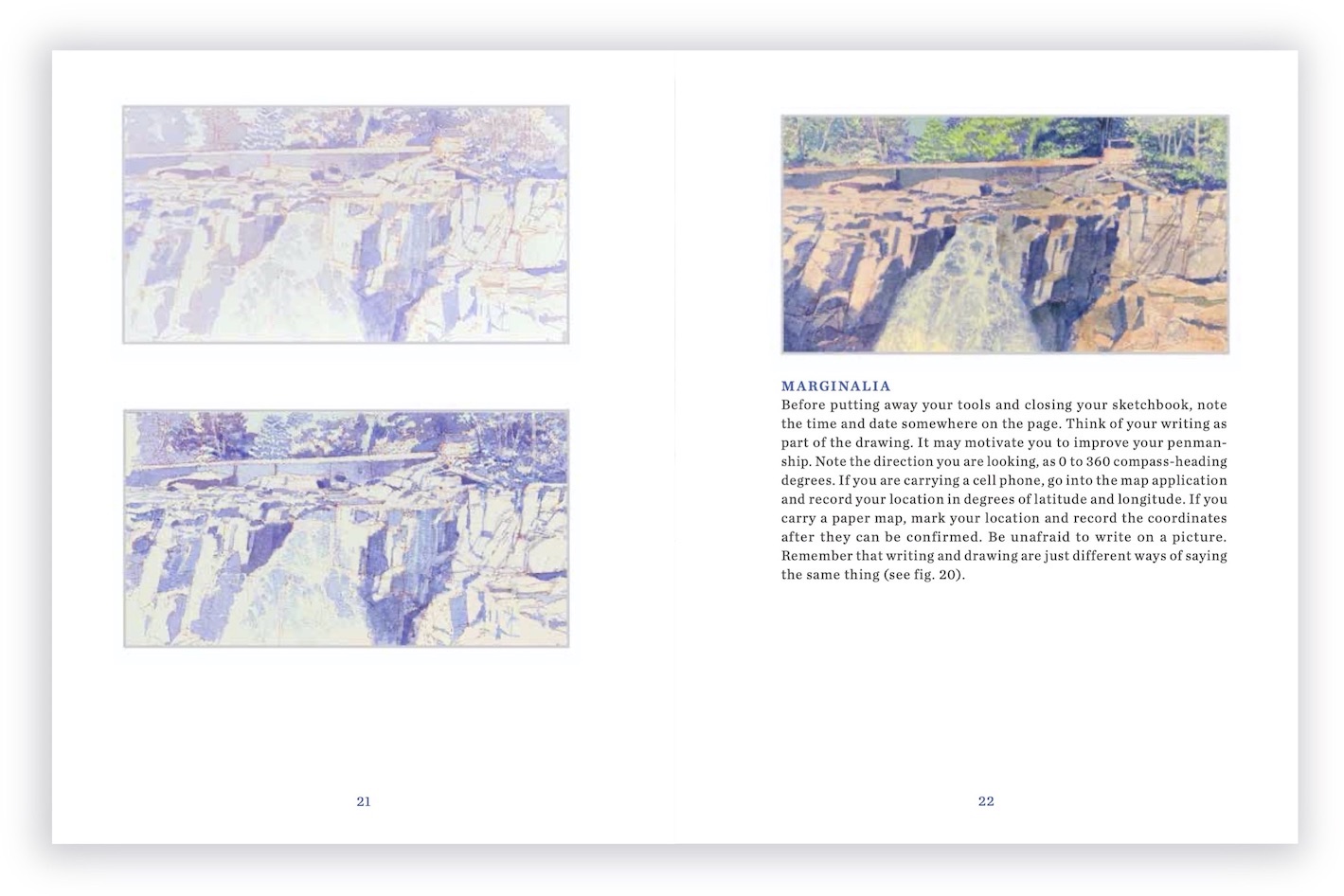
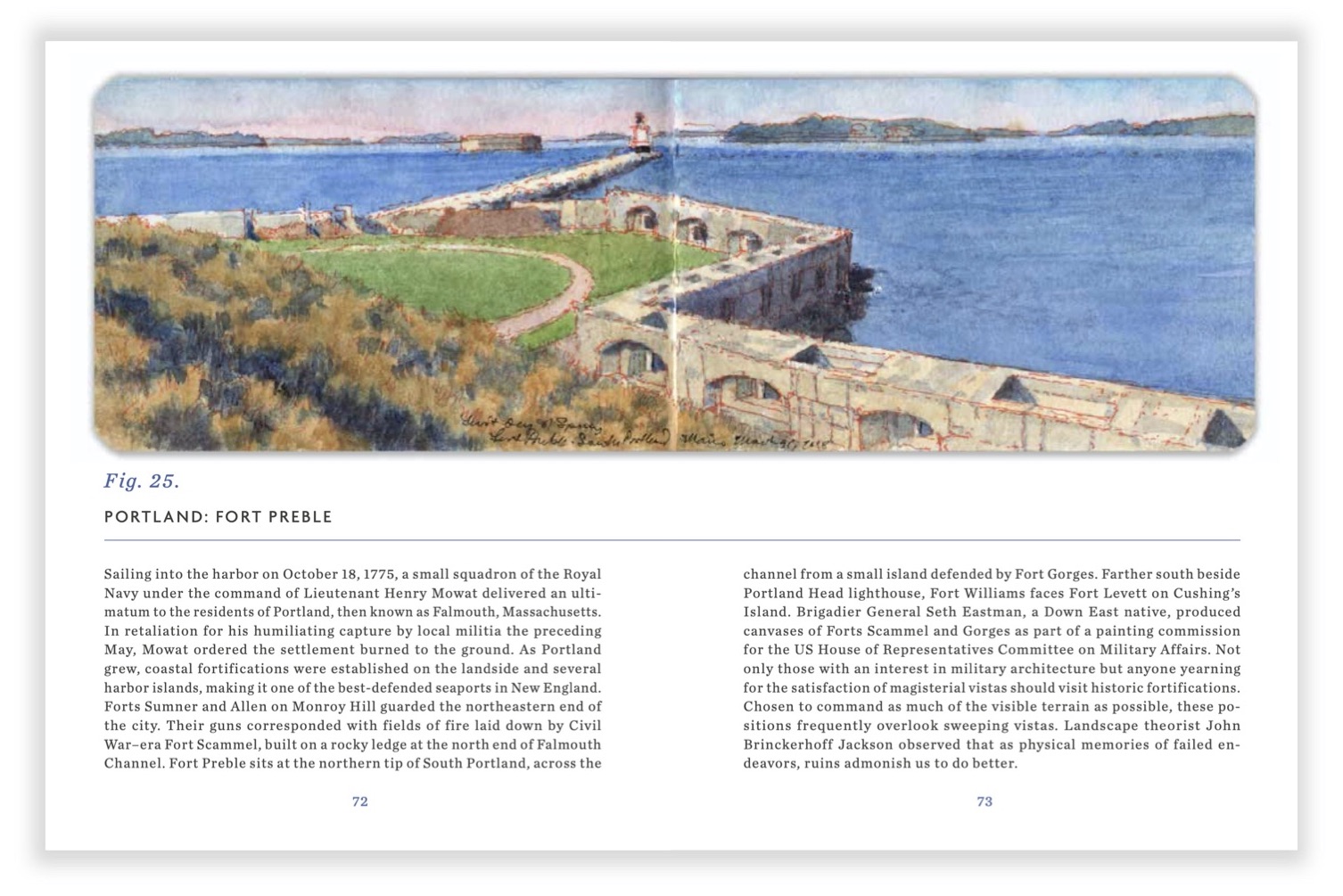
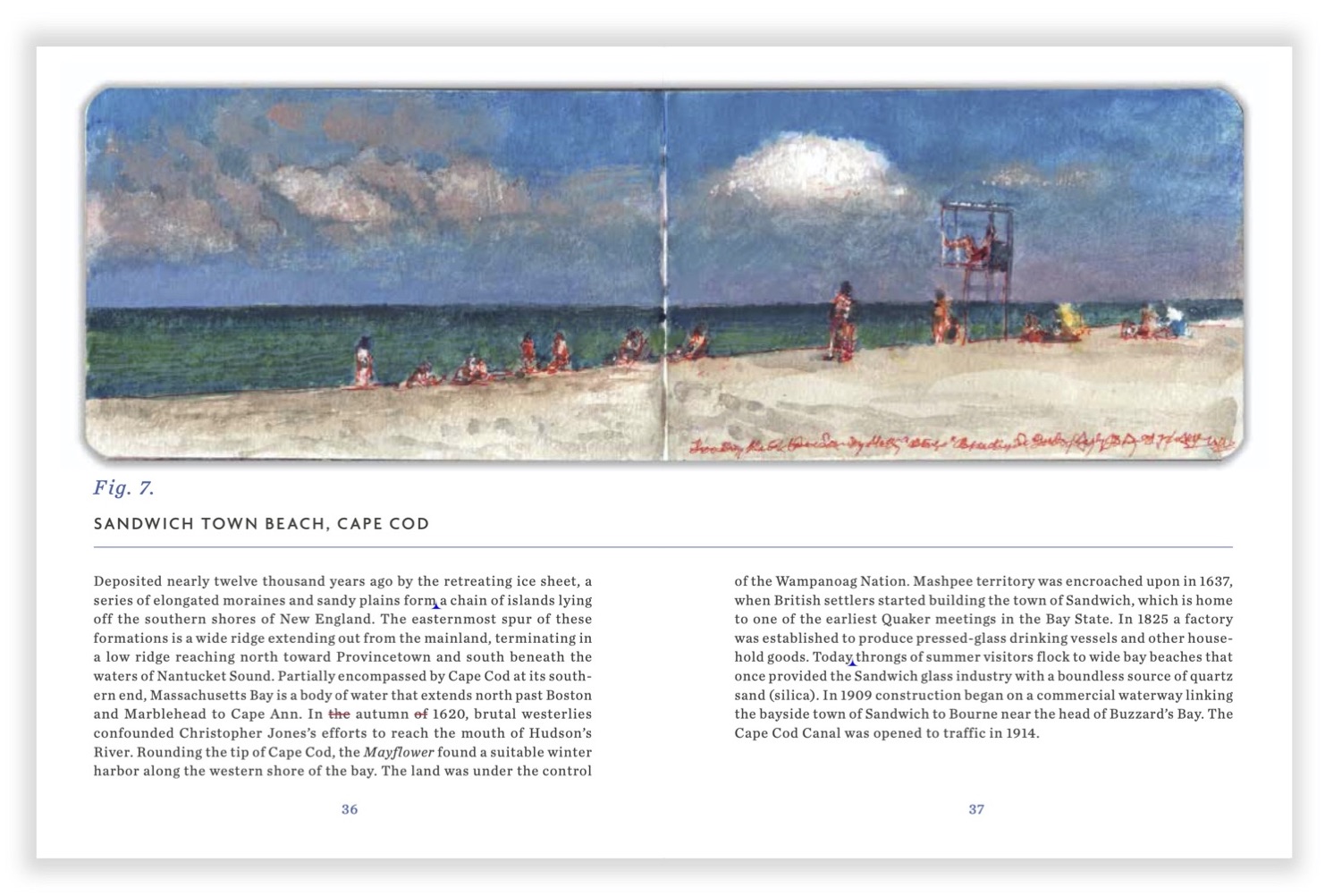
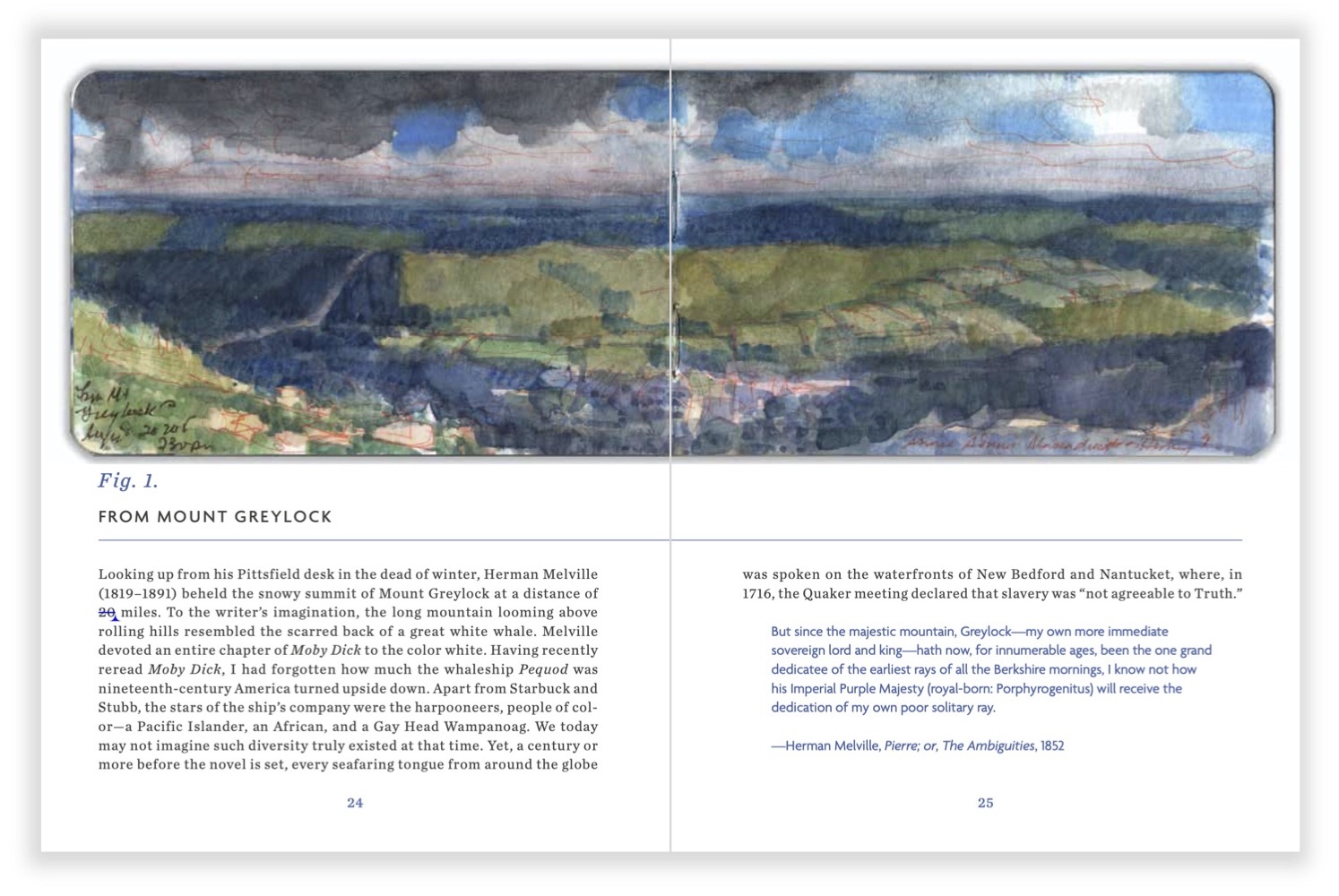
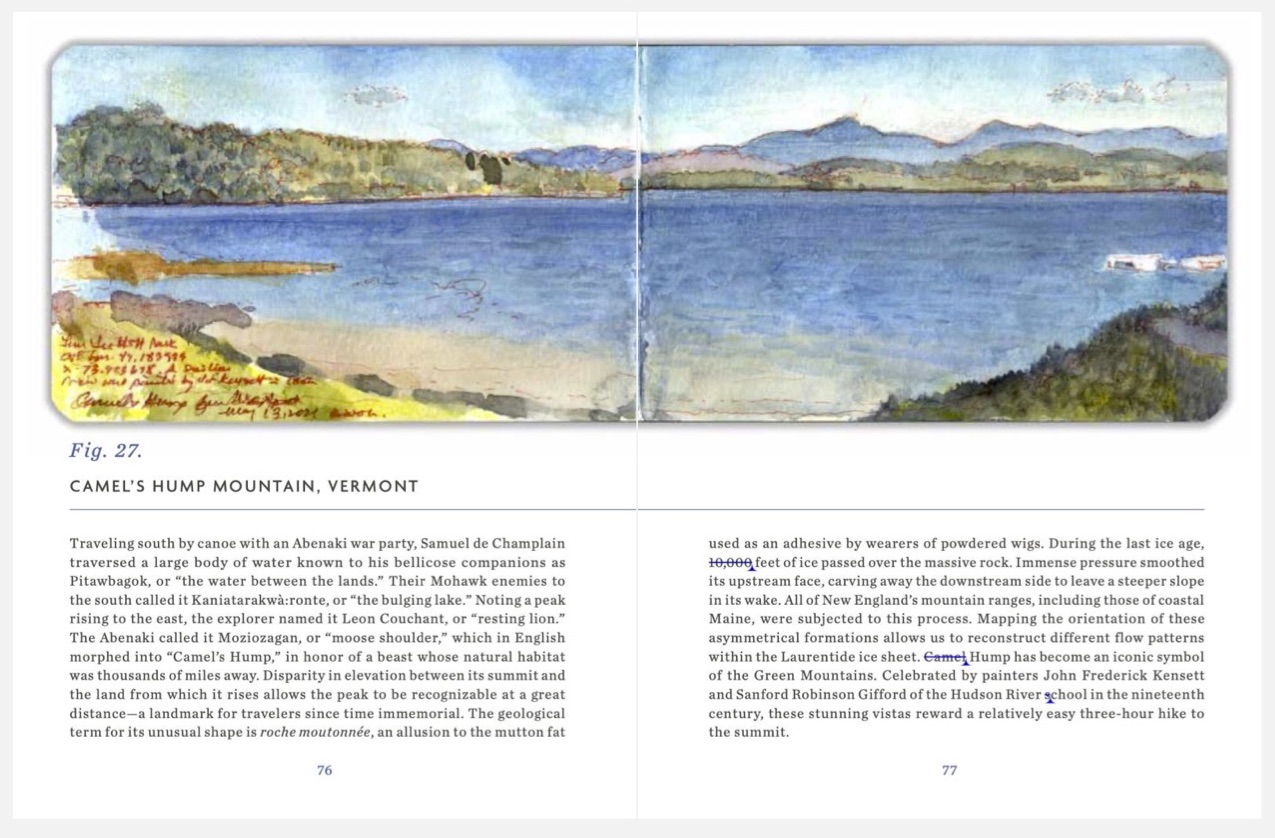
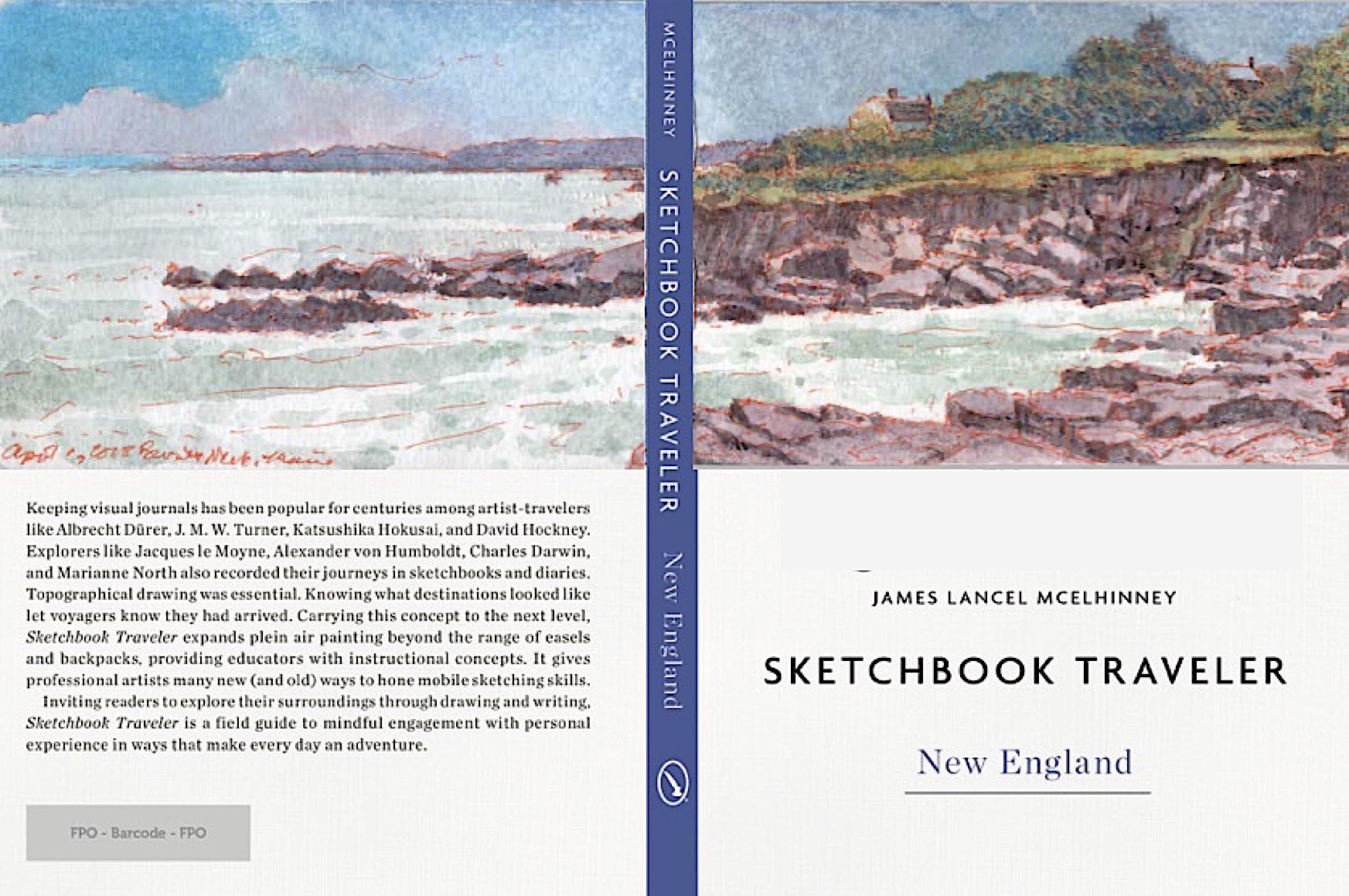
I have been notified that preordered copies of Sketchbook Traveler: New England  are now being shipped! This is the third volume in a trilogy produced by Schiffer Publishing—a family-owned nonfiction press founded in 1974, headquartered in Atglen, PA. I could not be more delighted and gratified with the book, which is now available to own. LINK

DOWNLOAD a copy of the press release: LINK

I am profoundly grateful to the great team at Schiffer Publishing, who were able to produce this trilogy in the midst of a global pandemic. Now that the worst has passed, it’s time to dust off our boots and take to the road, with a sketchbook in hand.

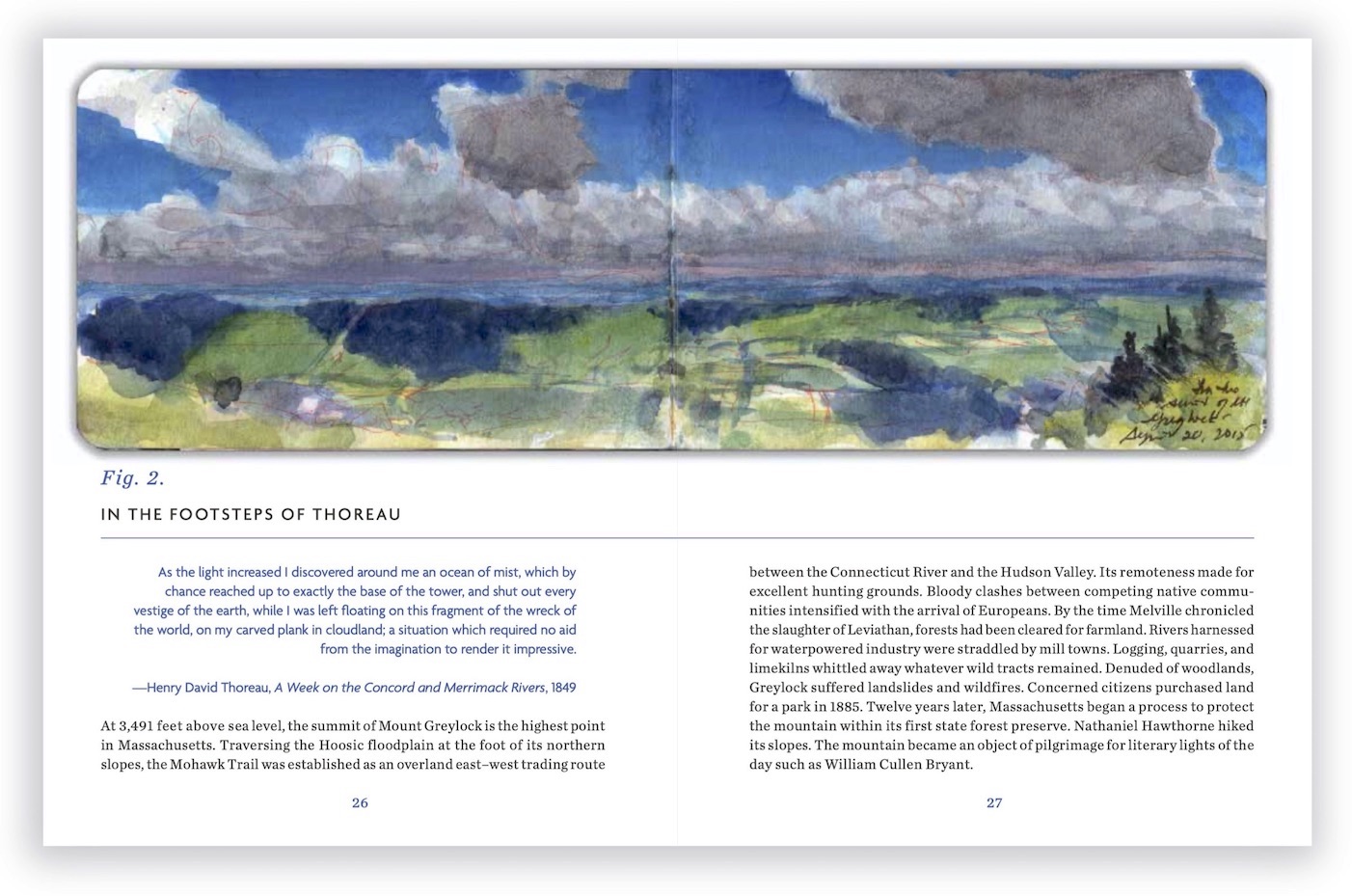
Look inside Sketchbook Traveler: New England:

ENJOY ALL THREE:

Hudson Valley: https://schifferbooks.com/products/sketchbook-traveler-1
Southwest: https://schifferbooks.com/products/sketchbook-traveler
New England: https://schifferbooks.com/products/sketchbook-traveler-new-england

Look Inside: Sketchbook Traveler: New England

Sketchbook Traveler: New England  is the third volume in a series produced by Schiffer Publishing—a family-owned nonfiction press headquartered in Atglen, PA, that was founded in 1974.  I could not be more delighted and gratified with the book, which is now available to own. LINK

DOWNLOAD a copy of the press release: LINK

Inside Sketchbook Traveler: New England:

SPECIAL OFFER FROM ECOARTSPACE.COM:                              Three books for the price of two:

A la Carte:

Hudson Valley: https://schifferbooks.com/products/sketchbook-traveler-1
Southwest: https://schifferbooks.com/products/sketchbook-traveler
New England: https://schifferbooks.com/products/sketchbook-traveler-new-england
To contact me directly, send an email to

ja***@mc***********.com


CELEBRATING ROUTES & PLACES: Free Subcriptions Available

THANKS TO MY READERS

As we enter the second month of my Substack , let me thank you all for your support. Exploring backstories of itineraries and places through travel, drawing, and photography, are unpacked in writings that appear in this online publication as essays. articles, and notes from the field. The format will be as follows.
An essay will be published on the first day of each month, with new articles appearing every Thursday, field notes appearing on Sundays. Plans are underway to develop a podcast. If you are enjoying these articles, please SUBSCRIBE, and share this LINK with others whom you think might enjoy them.

Many thanks for your support!
Here is what you all can look forward to in July and August:
July 1:  On the Verge: An Alternative Backstory
July 6: Reconnaissance: Herkimer on the Mohawk
July 9: Sketchbook Sojourns: Iceland: At the Summit of Eyjafjallajökull
July 13: Mohawk Valley Reconnaissance: Little Falls 1
July 16: Sketchbook Sojourns: Catskill Mountains: North South Lake
July 20: Mohawk Valley Reconnaissance: Little Falls 2
July 23: Sketchbook Sojourns: Ellis Island
July 27: Mohawk Valley Reconnaissance: Fort Plain
July 30: Sketchbook Sojourns: Monument Valley
August 1:  The Man from Nuremberg: Plein Air Albrecht Dürer
August 3: Mohawk Valley Reconnaissance: Martyr’s Shrine
August 6: Fort Johnson on the Mohawk
August 10: Reconnaissance: Schoharie Creek to Putnam’s Store
August 13: Sketchbook Sojourns: Schuylkill River: Three Angels
August 17: Mohawk Valley Reconnaissance: Yankee Hill
August 20: Sketchbook Sojourns: Cape Elizabeth
August 24: Mohawk Valley Reconnaissance: Rotterdam
August 27: Sketchbook Sojourns: White Rock Canyon
August31: Champlain Valley Reconnaissance: Cohoes
Sketchbook Traveler: New England will be released on August 28 by Schiffer Publishing. Learn more: LINK
Preorder HERE

Visit my website: https//www.mcelhinneyart.com

Symbols of Status and Artistry: Asian Export Sword Guards and Nanban Tsuba


DOWNLOAD PDF of the article from the July-August 2019 issue of Orientations magazine. This is intended for the exclusive use of reviewers and publishers’ acquisitions editors. Any other use or unauthorized distribution is prohibited.

Download (PDF, 2.9MB)