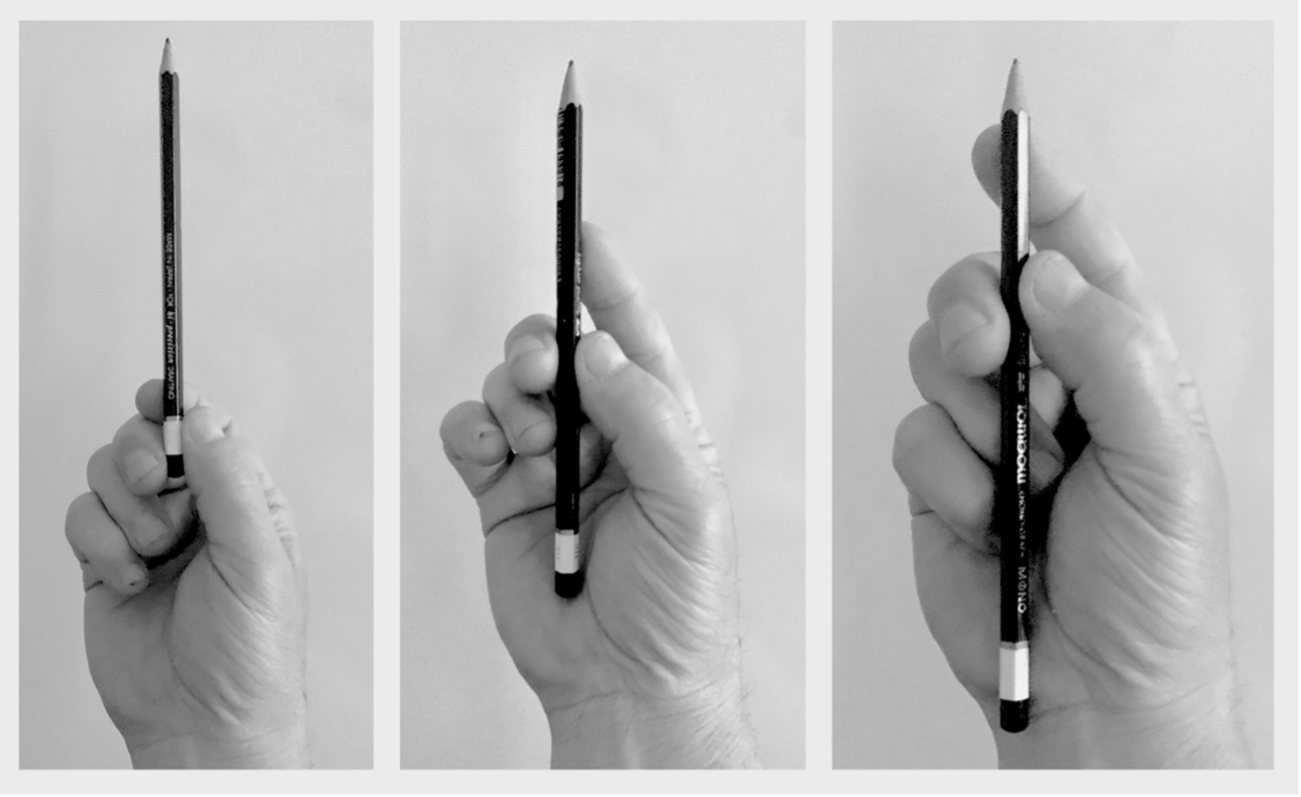
“Vision is a faculty. Seeing is an art”
—George Perkins Marsh, author of Man and Nature
Visual literacy requires fluency in drawing. Looking at something is a far cry from understanding it. The best way to comprehending design is by learning how to draw. Nearly everything produced by industry for use in the built environment begins with drawn plans that were inspired by sketches. The man-made world is shaped by decisions made legible by drawings. Everyday design would remain an impenetrable mystery, without some proficiency in drawing,
Visual experience is best understood through drawing. It slows us down, focuses our attention, to explore how forms and spaces fit together. Pictures are byproducts of this process, not the goal. Success is achieved when our drawings are legible. But even when they are not, the mental exercise can reconcile empirical observation with personal response. According to Johann Goethe, “Only when we hold the outer world with that of our inner being, do we have full reality.”
We learn to see in increments. British painter Joshua Reynolds reportedly began each of his portraits by placing the sitter in a darkened room. Reynolds would slowly admit more light into the room until the sitter was fully illuminated for the finishing touches. The more we look, the deeper we see. Making marks on a page while looking at something is a sensory-tactile-cognitive activity that can strengthen visual memory and develop a more discerning eye. One must embody the work of art before they can produce it. To quote naturalist John Burroughs—
“You must have the bird in your heart before you find it in the bush.”
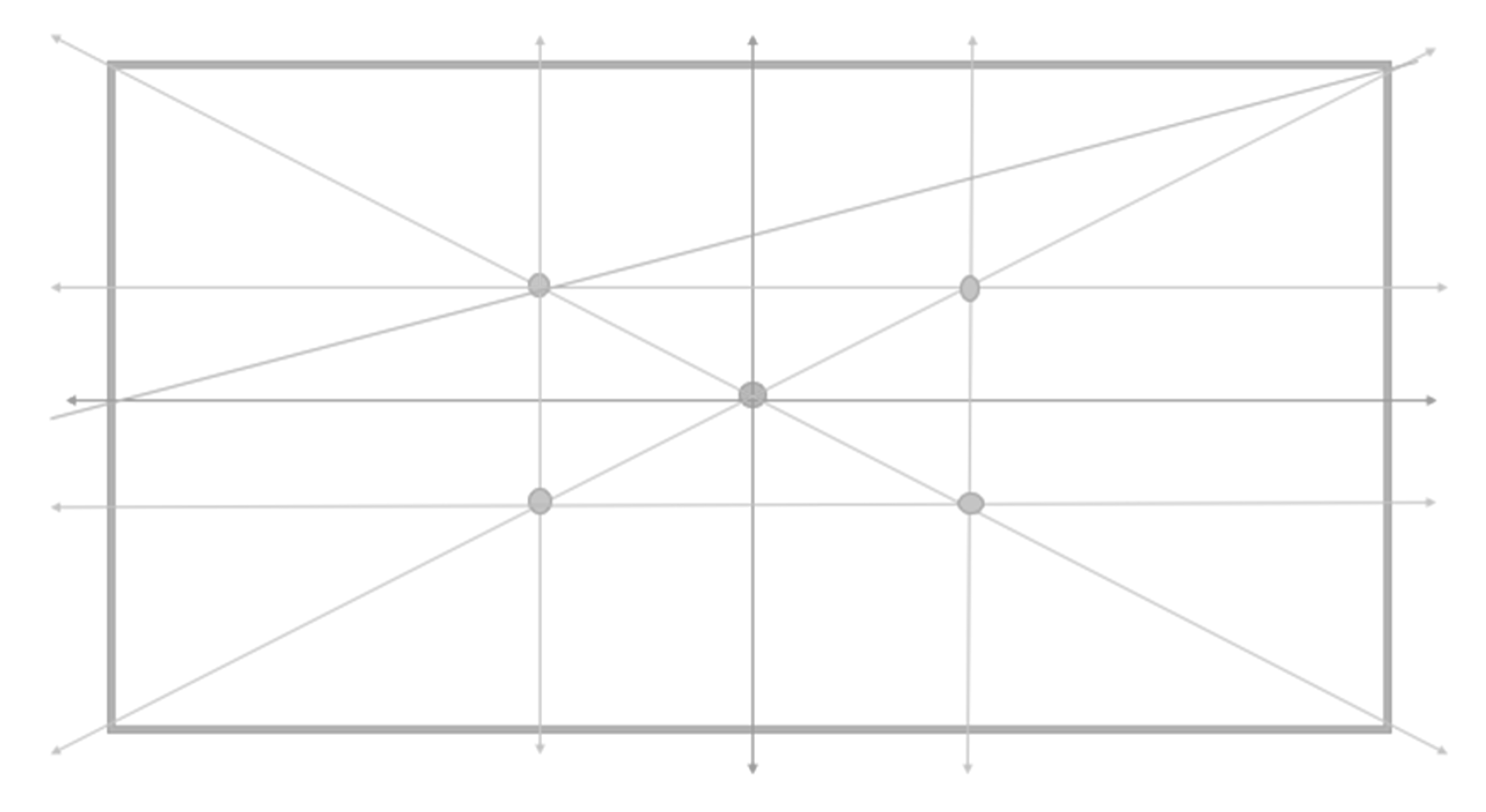
Below: Plotting “The Law of Thirds” —The first step toward understanding dynamic composition
Download the PDF:
Own them now: Field guides to mindful travel:
Follow James on TRUE PLACES Substack:
https://jameslmcelhinney.substack.com