Category Archives: Dispatches

PRICE PANIC POLKA: How Auctions, Galleries, and Museums Dance to different Tunes


Speaking as a trained USPAP-compliant appraiser, I find that most artists positioned in the mid-market have no idea how the art market really works. A recent flurry of foolishly irate posts on social media was launched by an artist who had been shocked to find a number of his/her pieces were being offered at auction for what seemed to be liquidation value—5-10% of their original gallery sale price. The artist confused this with as a personal insult, and then embarked on a public whinge-fest that went on for days. If you would be stunned to learn that artworks sold at auction for 10-20% of its original gallery price might actually be a home run, you’re probably one of the clueless. Here’s the thing.

No public record of gallery sales exists. What do exist are auction results, now searchable online. Before the Internet, dealers and collectors would have to pore through auction records housed in places like The Frick Library in New York. Today one can conduct research online databases, such as ArtArt.com, MutualArt.com, ArtPrice.com, etc.

Auction-houses base their price-spread estimates and opening bids on an artist’s past performance at auction. Gallery price and private sales play no role in this practice. As far as auction-houses are concerned, what happens in galleries may as well be taking place in another galaxy. One has no direct bearing on the other. If you’re an artist who wants to protect your alleged price-point, don’t buy your old work. Instead leave an absentee bid at the opening bid—just to make sure the piece is not “passed.” Bidders are inclined to regard “buy-ins” as “burned.” Consignors might have to wait 3-5 years before bringing it back to auction.

The art market is in the midst of an epochal sea-change. If Baby Boomers and their parents regarded brown furniture, oriental carpets, and original artworks in gilded frames as trappings of cultured affluence, younger buyers today are more motivated to invest in experiences, rather than in possessions. By foregrounding its value as a fashionable investment, the blue-chip galleries and auction-houses have also  succeeded in downgrading the experiential value of art—or at least replaced aesthetic delectation with a high-stakes dopamine rush. Nobody knows which will come first; the collapse of the present art market, or a return to 20th-century materialism. Or perhaps tomorrow’s wall art will be purchased with apps and displayed on LCD screens, or whatever succeeds them.  

Galleries are disappearing; mostly because the cost of selling art has gone through the roof. Art fairs proliferate, with usurious exhibitor fees, along with a dizzying array of schemes and gimmicks, from popup events, NFTs, and online sales. How can young artists navigate this zany bourse of bling? How might a senior artist preserve some kind of legacy?

IMHO hoarding old work is just postponing a trip to the landfill. Do whatever you can to get it in play. Give it away if you can’t sell it. An artist recently approached me about gifting artworks to museums. He was stunned to learn that museums are even more selective than galleries, and they often require care-and-feeding cash subventions to accompany accepted gifts

Coming this fall will be a series of online conversations on topics related to artist legacies; an area where I possess some expertise. To receive notifications of talks, webinars, and workshops, become a free subscriber to my Substack column True Places. Transcripts of these programs and other written content will be available to paid subscribers.

Thanks for reading

—James L. McElhinney (c) 2024

SUBSCRIBE:
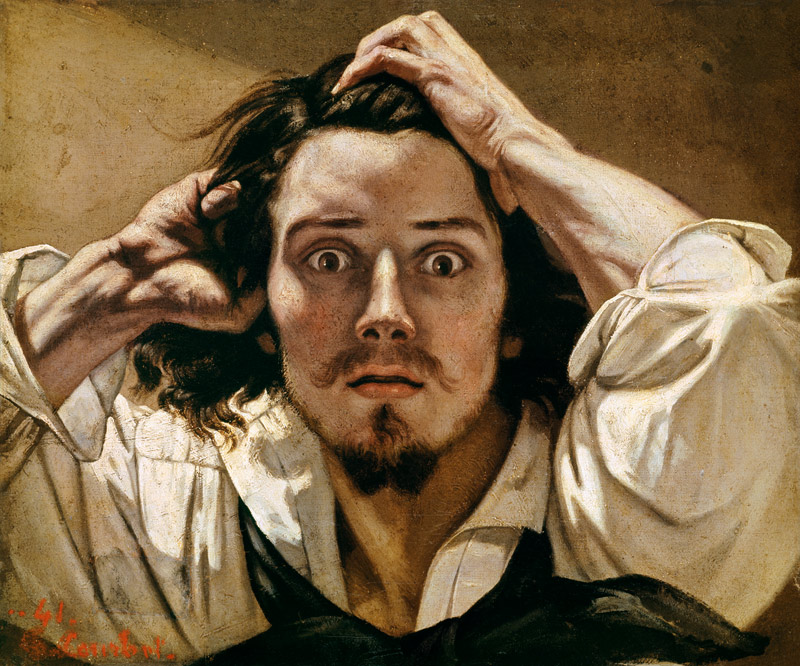
Header image above: Le Désespéré by Gustave Courbet (1819-1877) Collection Musee dOrsay, Paris.

Speaking as a trained USPAP-compliant appraiser, I find that most artists have no idea how the art market really works. A recent  flurry of irate posts on social media was launched by  an artist who had been shocked to find a number of his/her pieces were being offered at auction for  what seemed to be liquidation value—5-10% of their original gallery sale price. A public rant that went on for days that had  no effect on the outcome, which the artist mistook for a personal slight. If you would be stunned to learn that an artworks sold at auction for 10-20% of its original gallery price might be a home run, you’re probably one of the clueless. Here’s the thing.

No public record of gallery sales exists. What do exist are auction results, now searchable online. Before the Internet, dealers and collectors would have to pour through auction records housed in places like The Frick Library in New York. Today one can conduct research online databases, such as ArtArt.com, MutualArt.com, ArtPrice.com, etc.

Auction-houses base their price-spread estimates and opening bids on an artist’s past performance at auction. Gallery price and private sales play no role in this practice. As far as auction-houses are concerned, what happens in galleries may as well be taking place in another galaxy. One has no direct bearing on the other

If you’re an artist who wants to protect your alleged price-point, don’t buy your old work. Instead leave an absentee bid at the opening bid—just to make sure the piece is not “passed.” Bidders are inclined to regard “buy-ins” as “burned.” Consignors might have to wait 3-5 years before bringing it back to auction.

>The market is in a huge sea-change. If Baby Boomers and their parents associated brown furniture, oriental carpets, and original artworks in gilded frames as the trappings of cultured affluence, younger buyers today are motivated to invest in experiences, more than in possessions. In ironic twist, the marketplace has downgraded the experiential value of art, by foregrounding its value as a fashionable investment. Nobody knows what will come first; the collapse of the art market, or a return to 20th-century materialism.

Galleries are disappearing; mostly because the cost of selling art has gone through the roof. Art fairs proliferate, with usurious exhibitor fees, along with a dizzying array of schemes and gimmicks, from popup events, NFTs, and online sales. How can young artists navigate this zany bourse of bling? How might a senior artist preserve some kind of legacy?

IMHO hoarding old work is just postponing a trip to the landfill. Do whatever you can to get it in play—sell it, or give it away if you can’t sell it. An artist recently approached me about gifting artworks to museums. He was stunned to learn that museums are even more selective than galleries, and they often require care-and-feeding cash subventions to accompany accepted gifts

Coming this fall will be a series of online conversations on topics related to artist legacies; an area where I possess some expertise. To receive notifications of talks, webinars, and workshops, become a free subscriber to my Substack column True Places. Transcripts of these programs and other written content will be available to paid subscribers.

>Thanks for reading

>—James L. McElhinney (c) 2024


“ARTISTS & INSPIRATION IN THE WILD” @ ADKX: Article From The May-June Issue of FINE ART CONNOISSEUR Magazine. Free PDF Download

The Adirondack Experience (formerly the Adirondack Museum) debuted its new art galleries last year, following the renovation of it original museum building. Artists and Inspration in the Wild will reopen on May 27. In January I drove through the snowy region for a meeting with curator Laura Rice, to learn about the genesis of this remarkable installation. We recorded our conversation, which I reworked into an article for the May-June issue of Fine Art Connoisseur magazine. A downloadable PDF of the article is posted below.

The Adirondack Experience is located just outside the village of Blue Mountain Lake, New York. The museum is open daily from 10am—5pm,between May 27 and October 14, 2024. Plan your visit HERE

Download (PDF, 415KB)

PRESSING MATTERS: Adventures in Printmaking

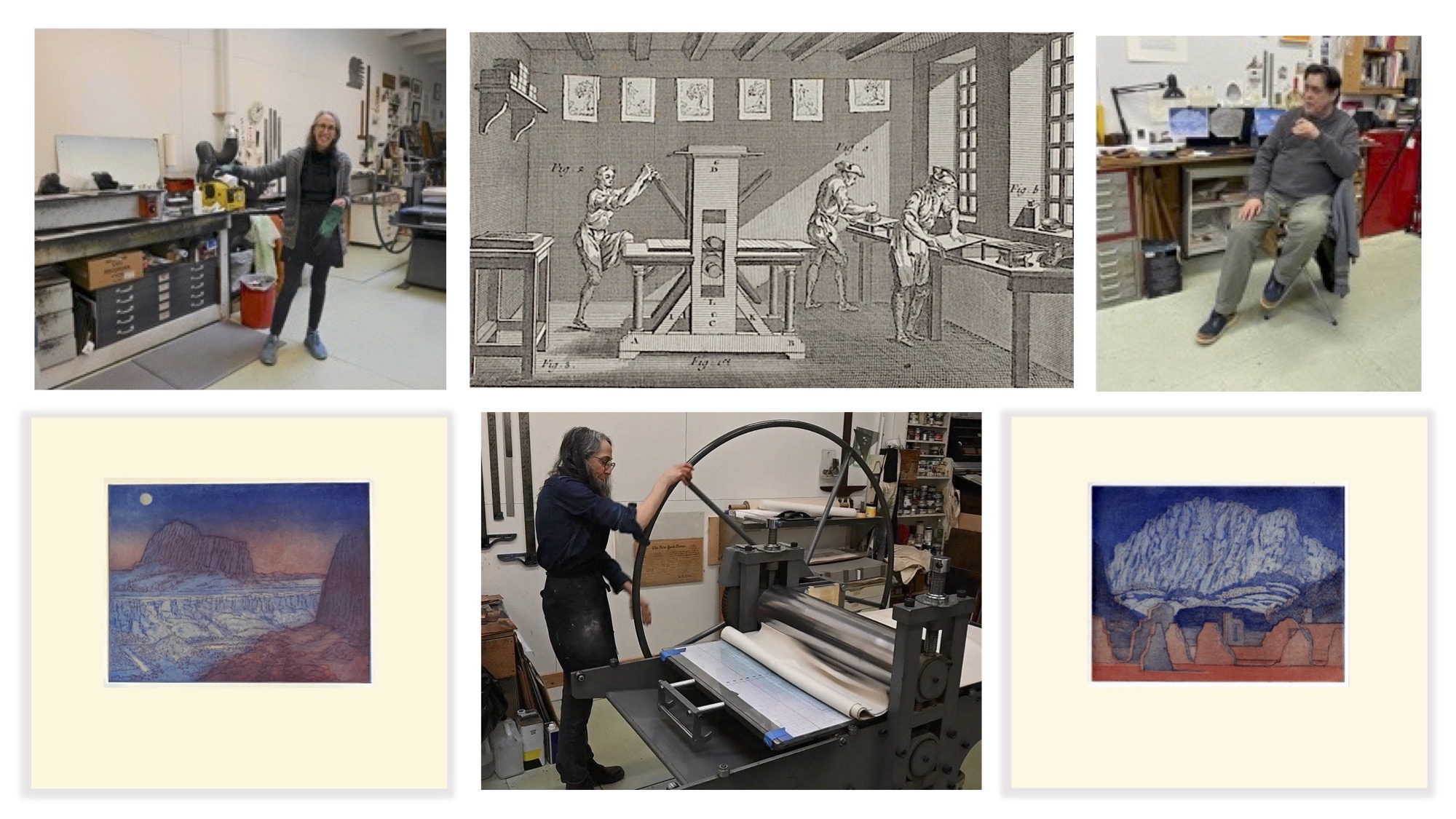
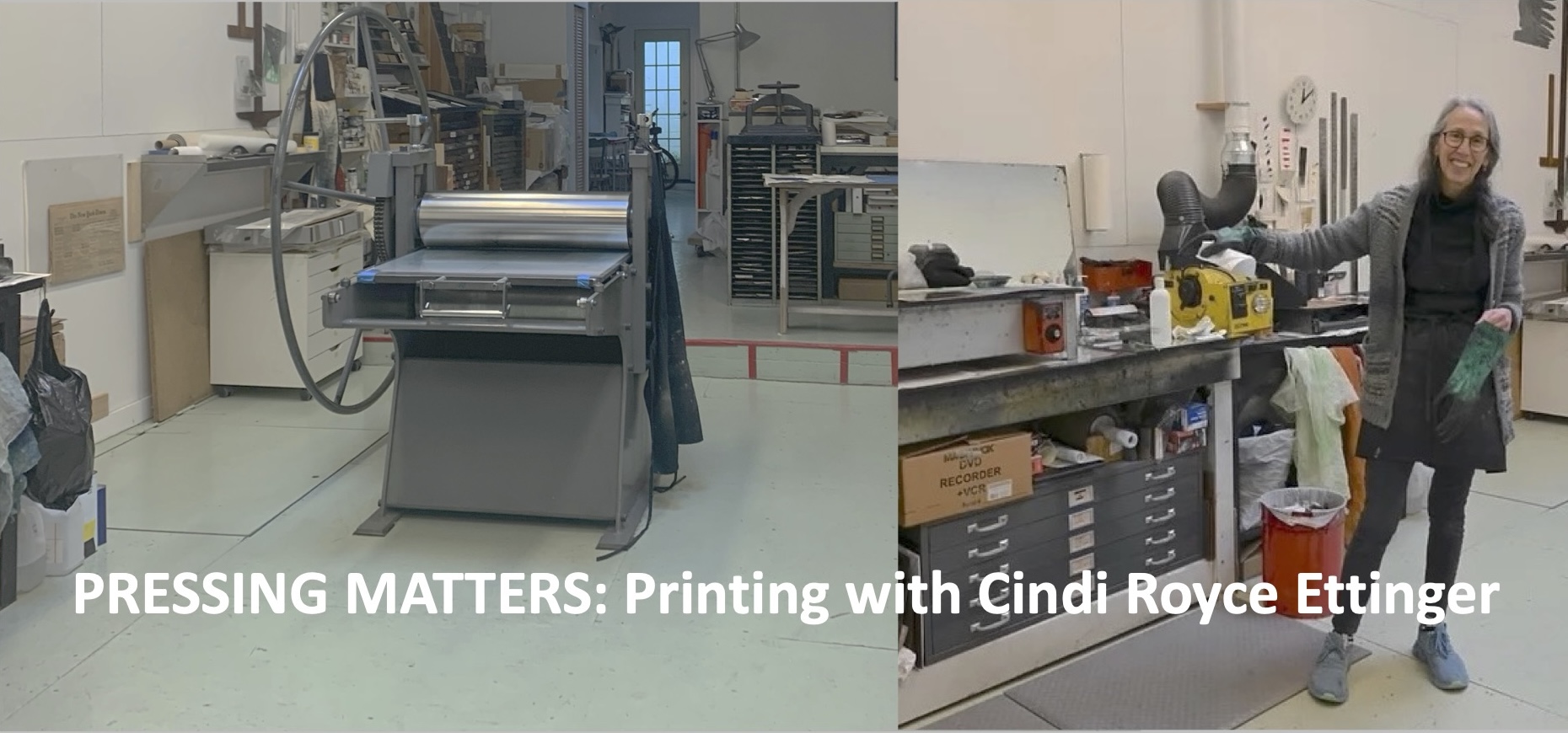
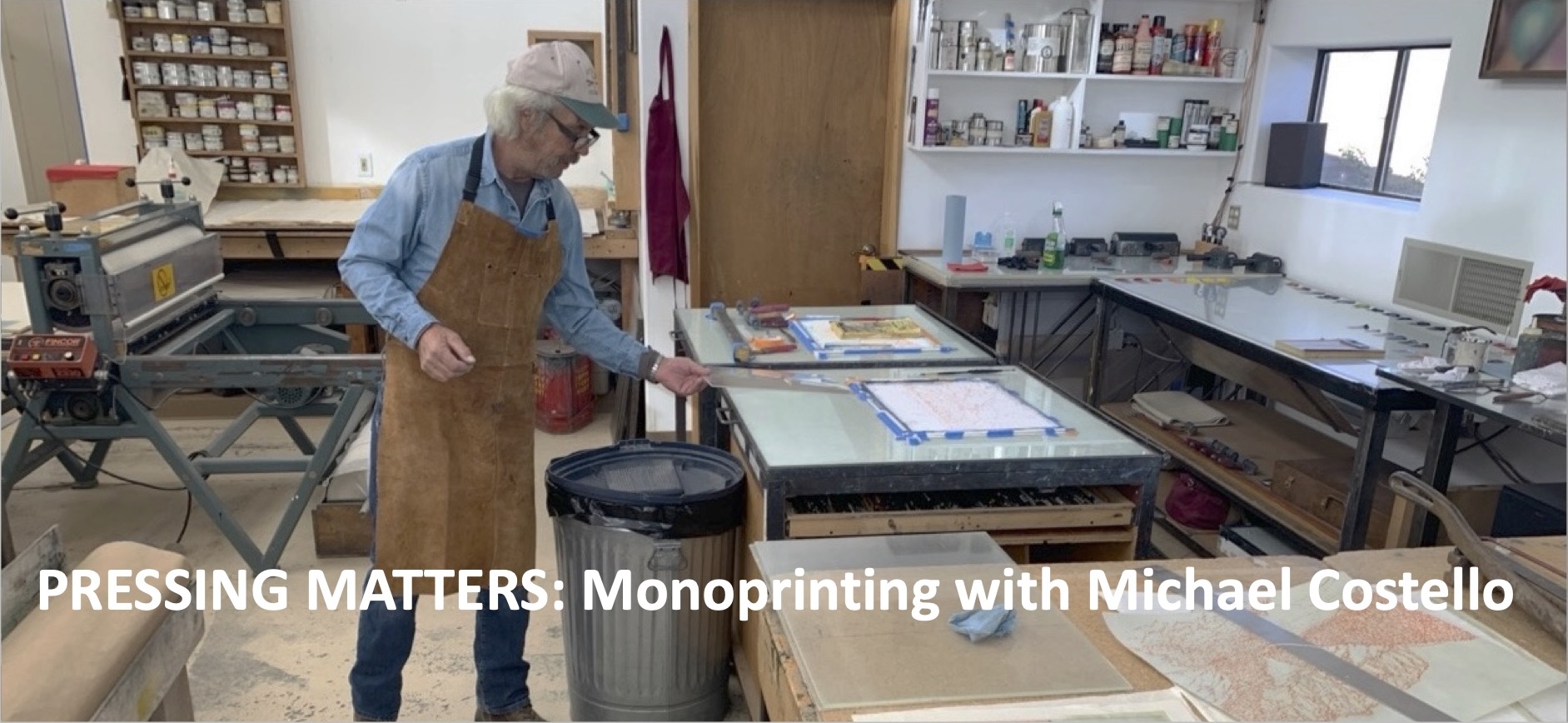
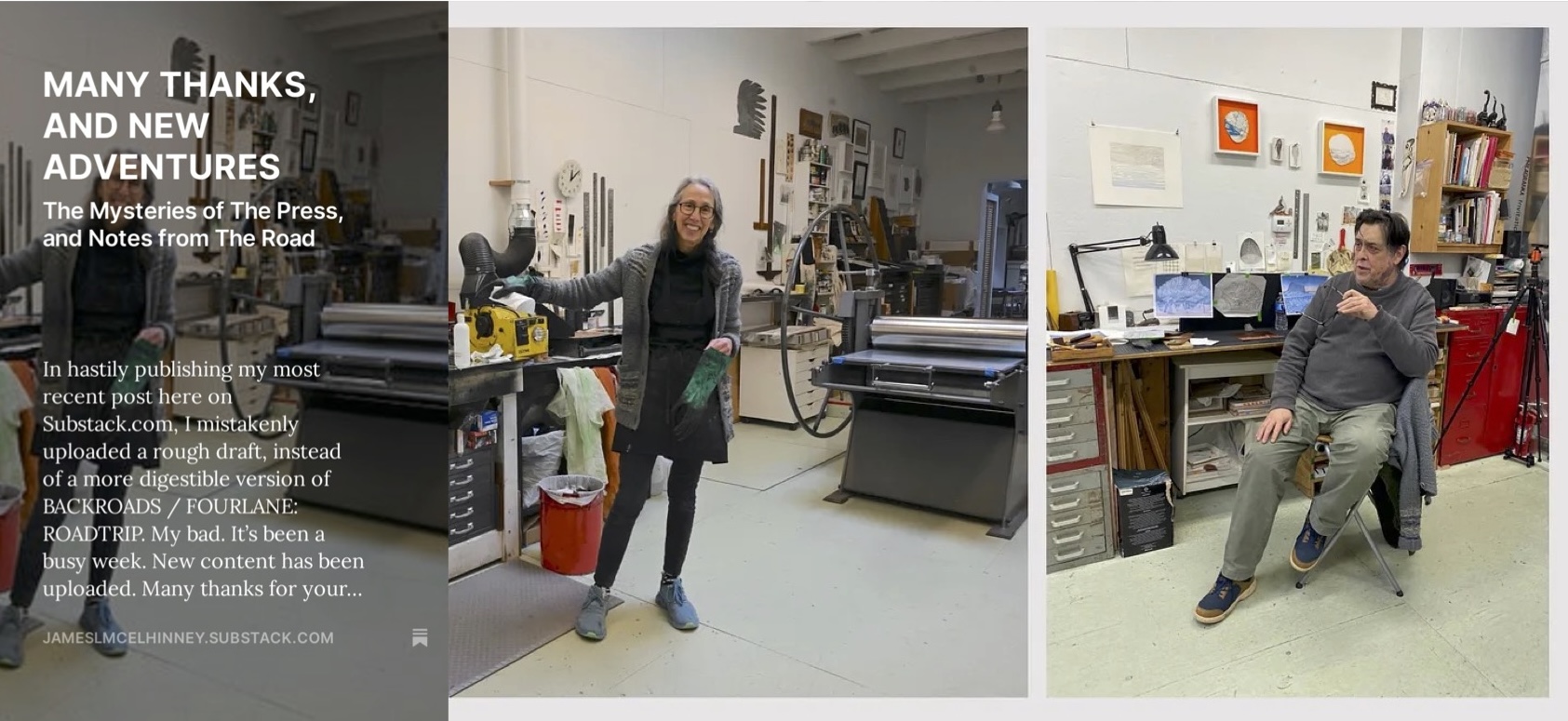
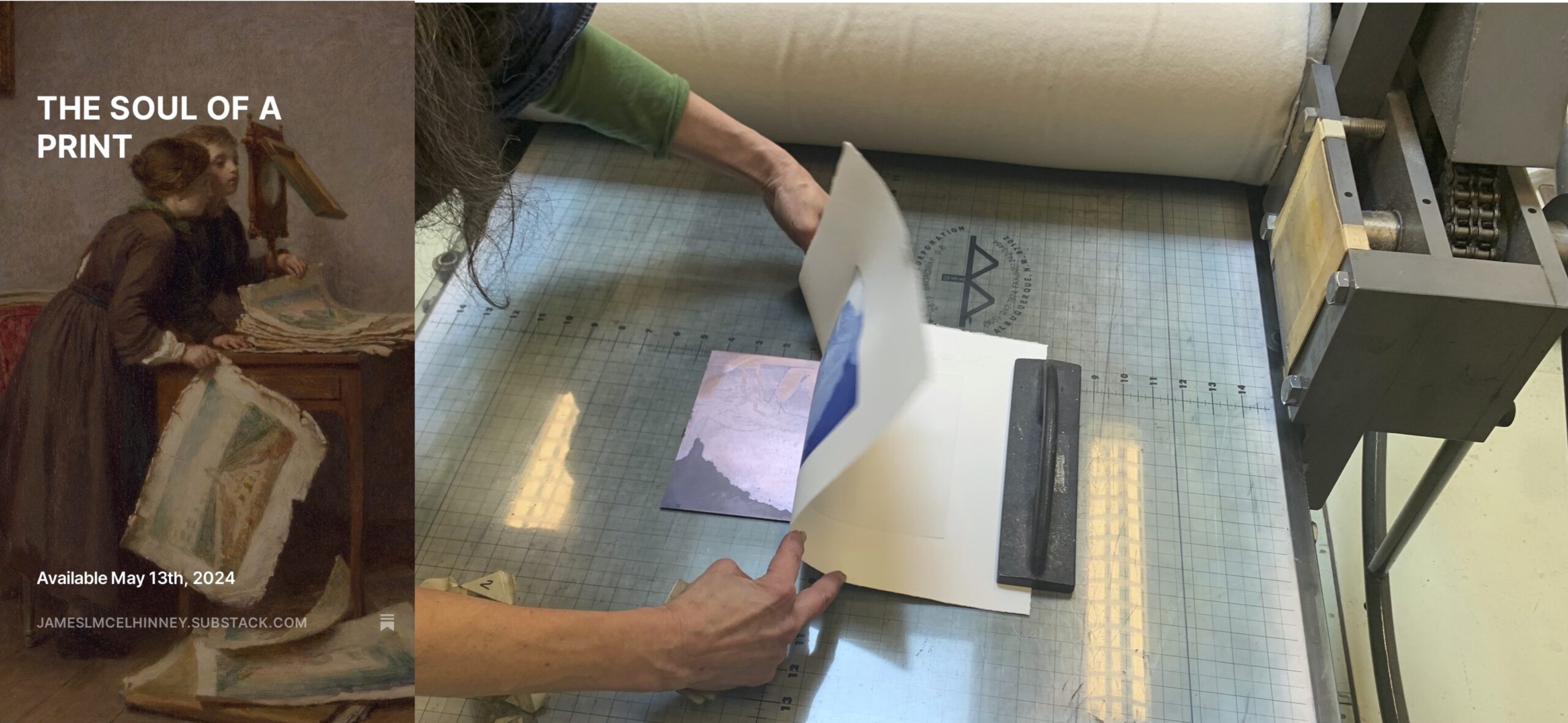
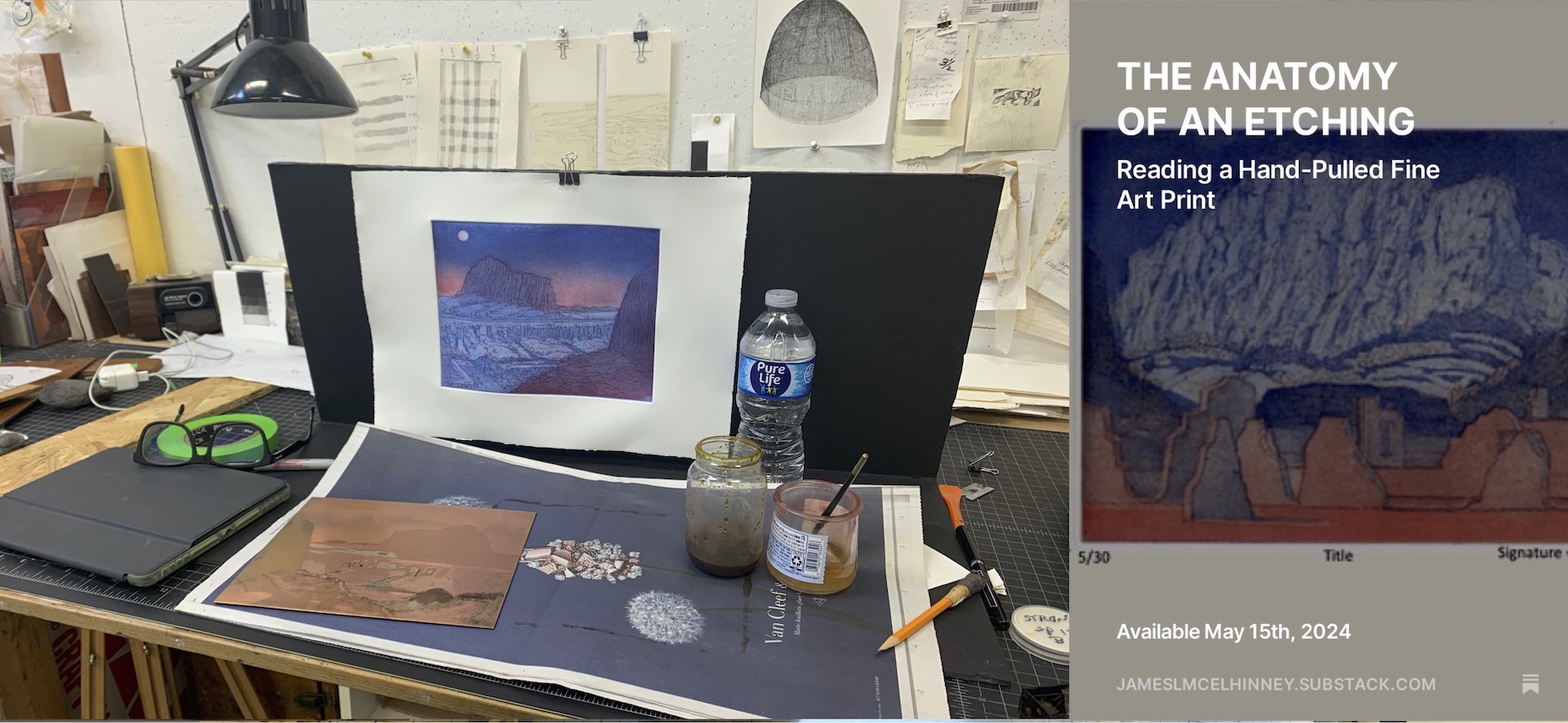
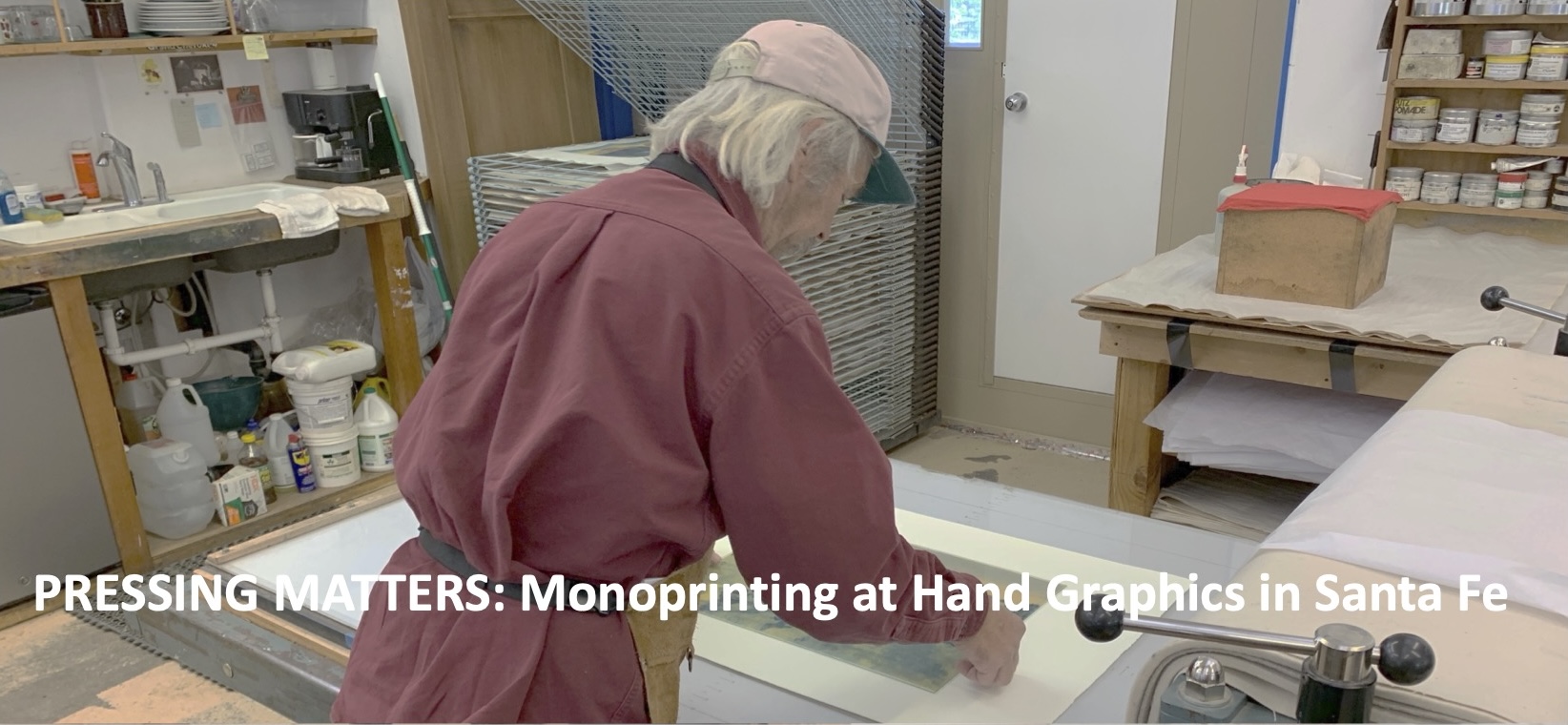
Over the past few years I have benefitted greatly from working with two very talented people; Michael Costello of Hand Graphics in Santa Fe, and Philadelphia master printer Cindi Ettinger, with whom  I first worked together in 1986. We resumed our  collaborations in 2018, and just last month we blocked out three days to create two new color intaglio copperplate  aquatints. I described the experience in a series of article on my SUBSTACK newsletter TRUE PLACES. I have plans to work with Michael later this year. When I do, the process will be documented in a similar way. Thanks for taking a look!

CLICK on a photo to be taken to STORY


Find More Stories on: 

PREVIEW: CLICK on the image below


RETURN TO THE HOMEPAGE

LIMITED TIME OFFER: Subscriber Discounts Available BEFORE June 1, 2024


Working with Philadelphia master printer Cindi Royce Ettinger, I recently produced two new aquatints, which only for the month of May can be purchased at subscriber discounts. Read my recent SUBSTACK post to learn more about the historic practice of subscription sales.
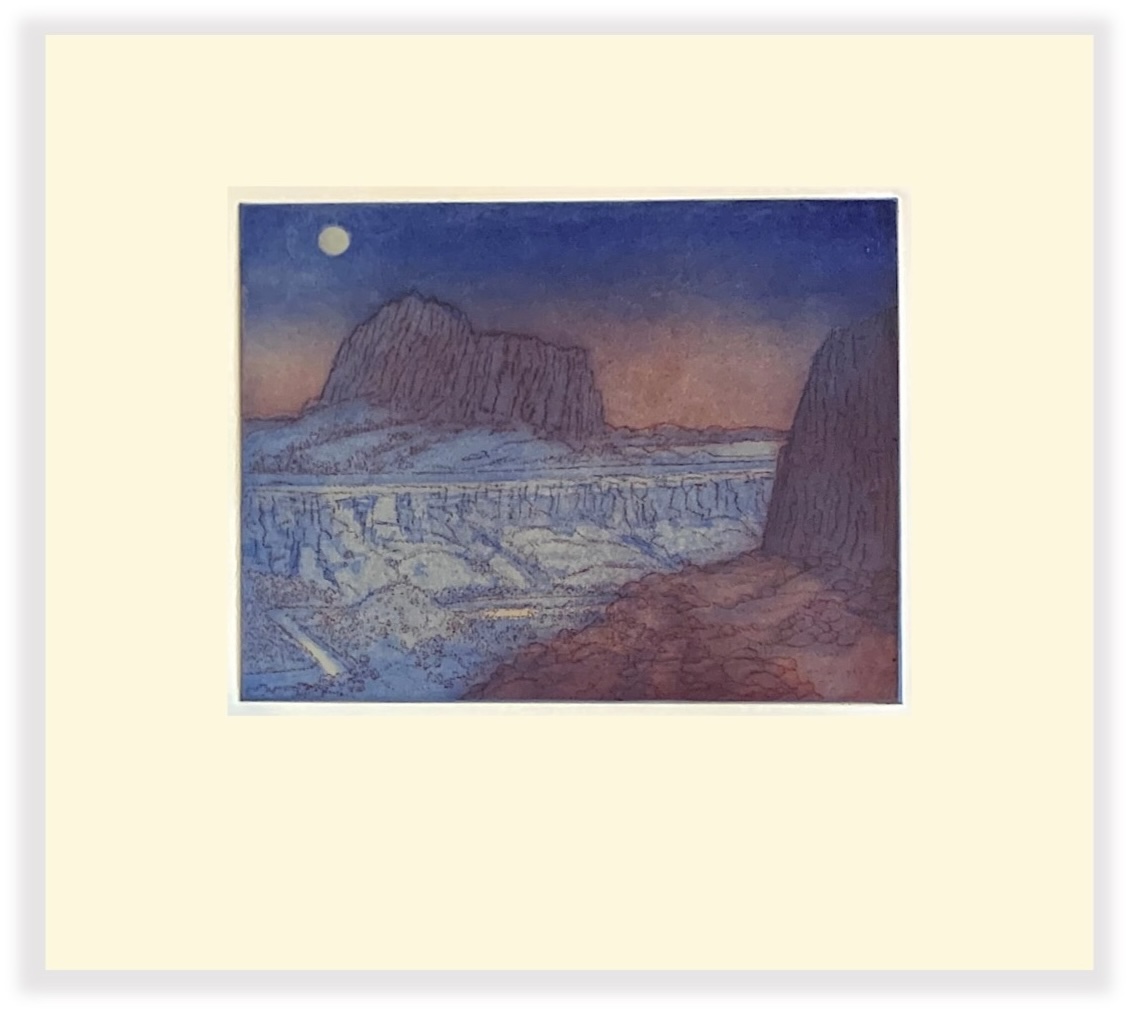
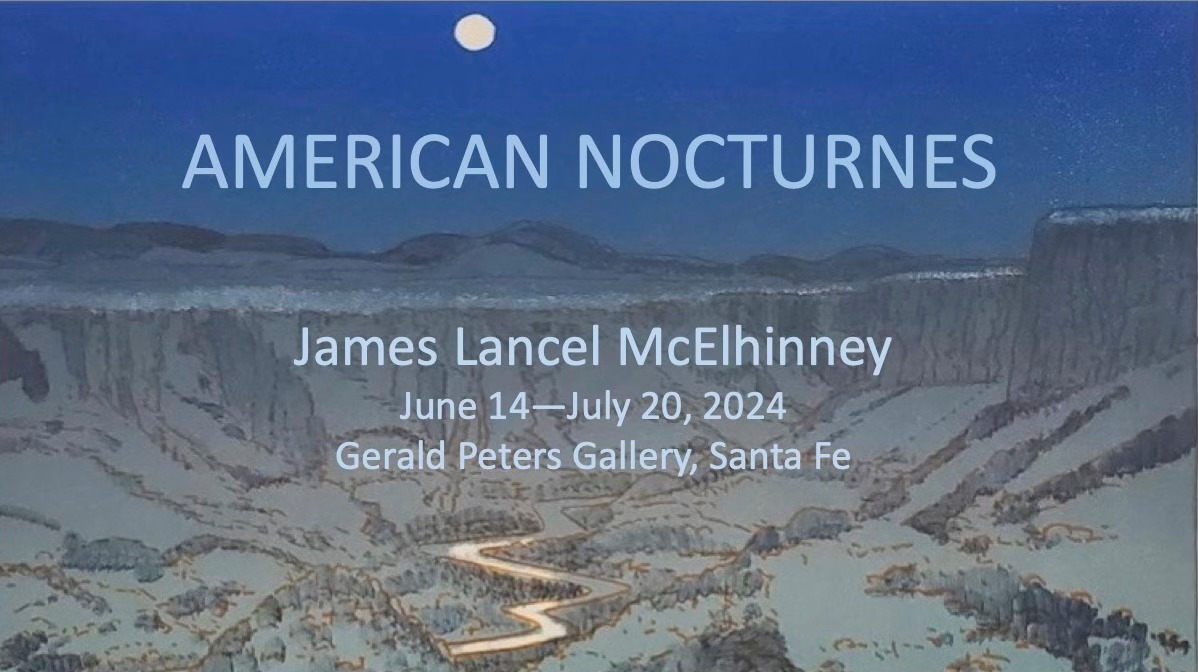
Artist’s proofs will be debuted on June 14, 2024, in American Nocturnes; new works by McElhinney at Gerald Peters Gallery in Santa Fe, New Mexico.

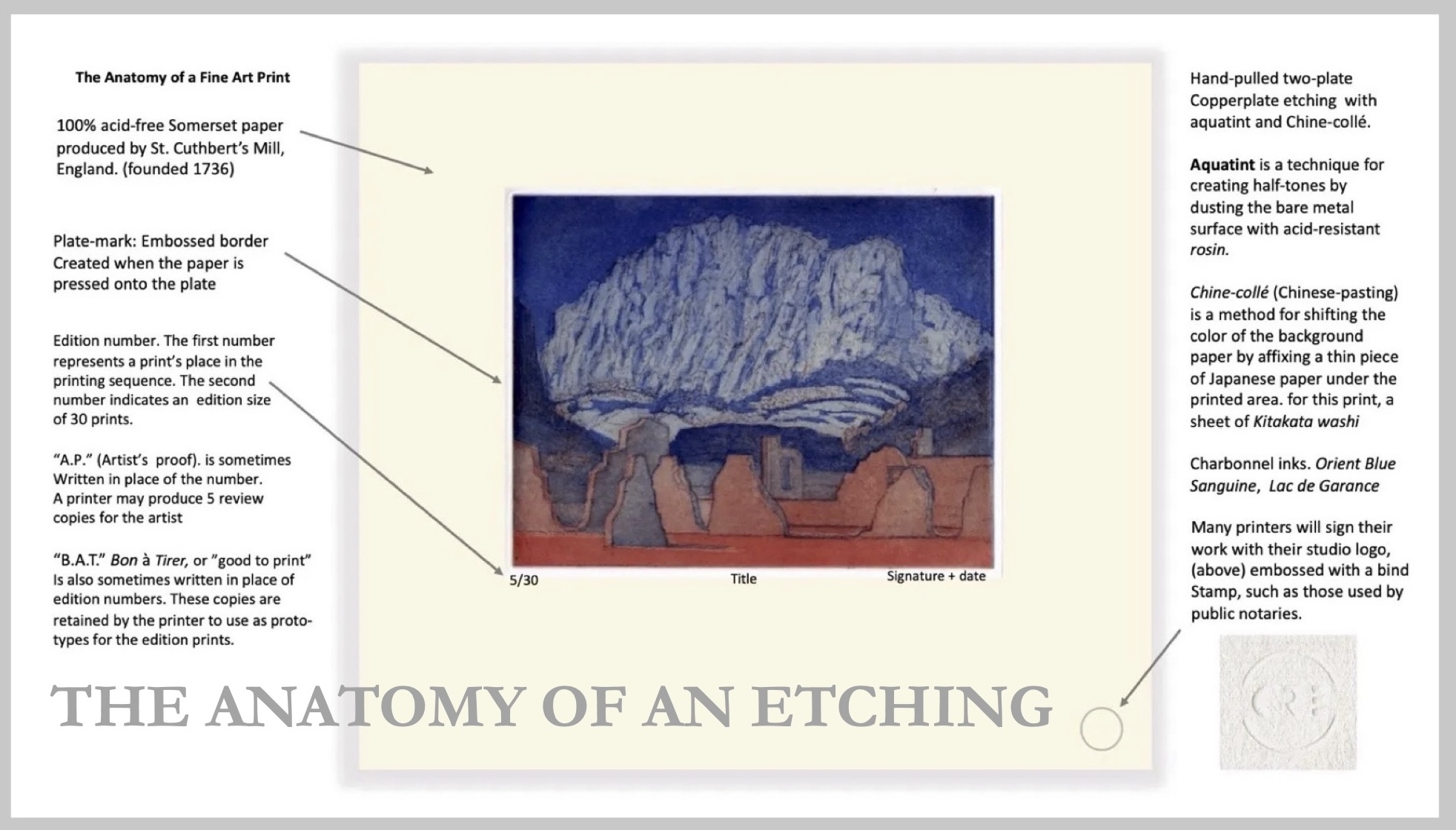
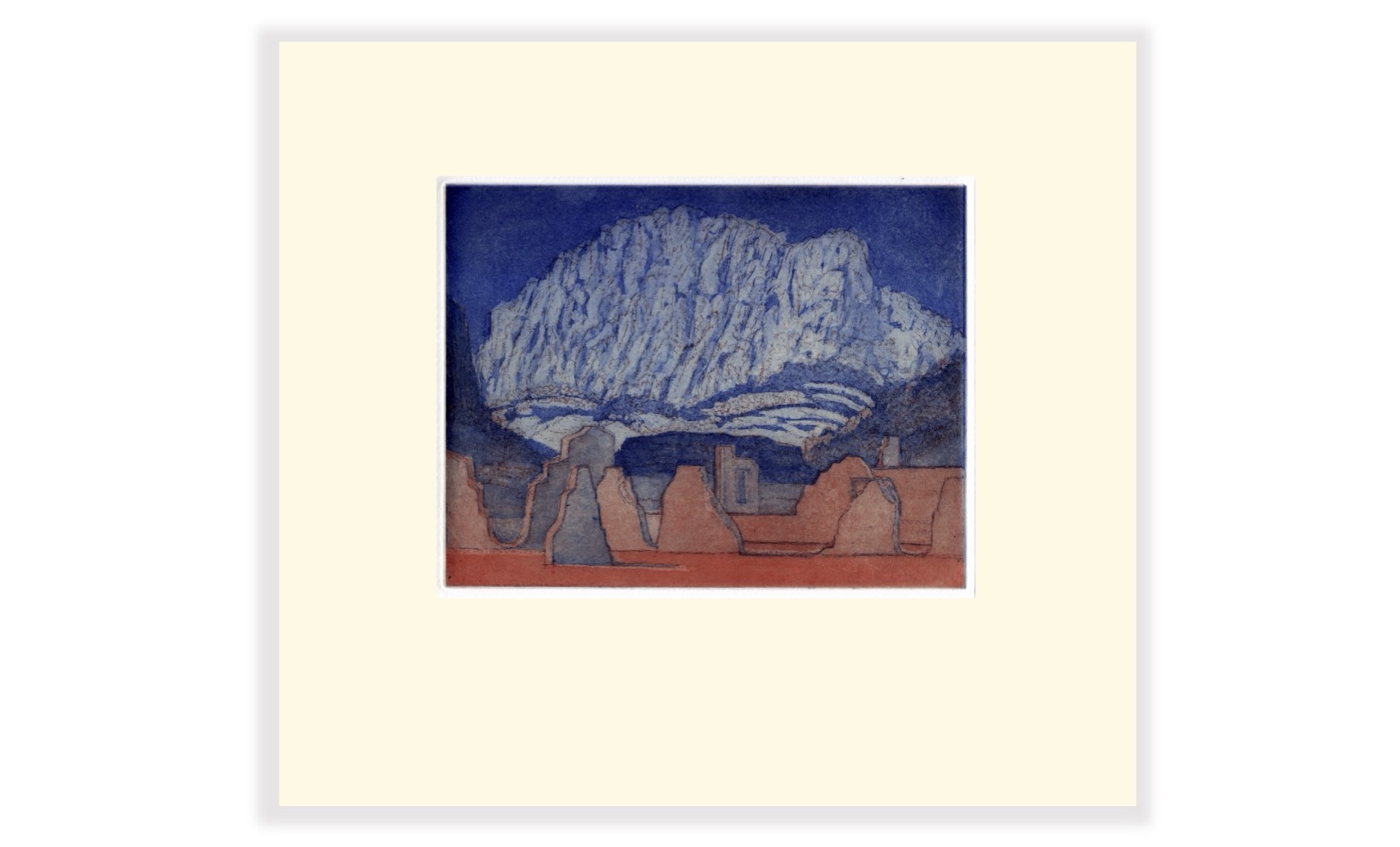
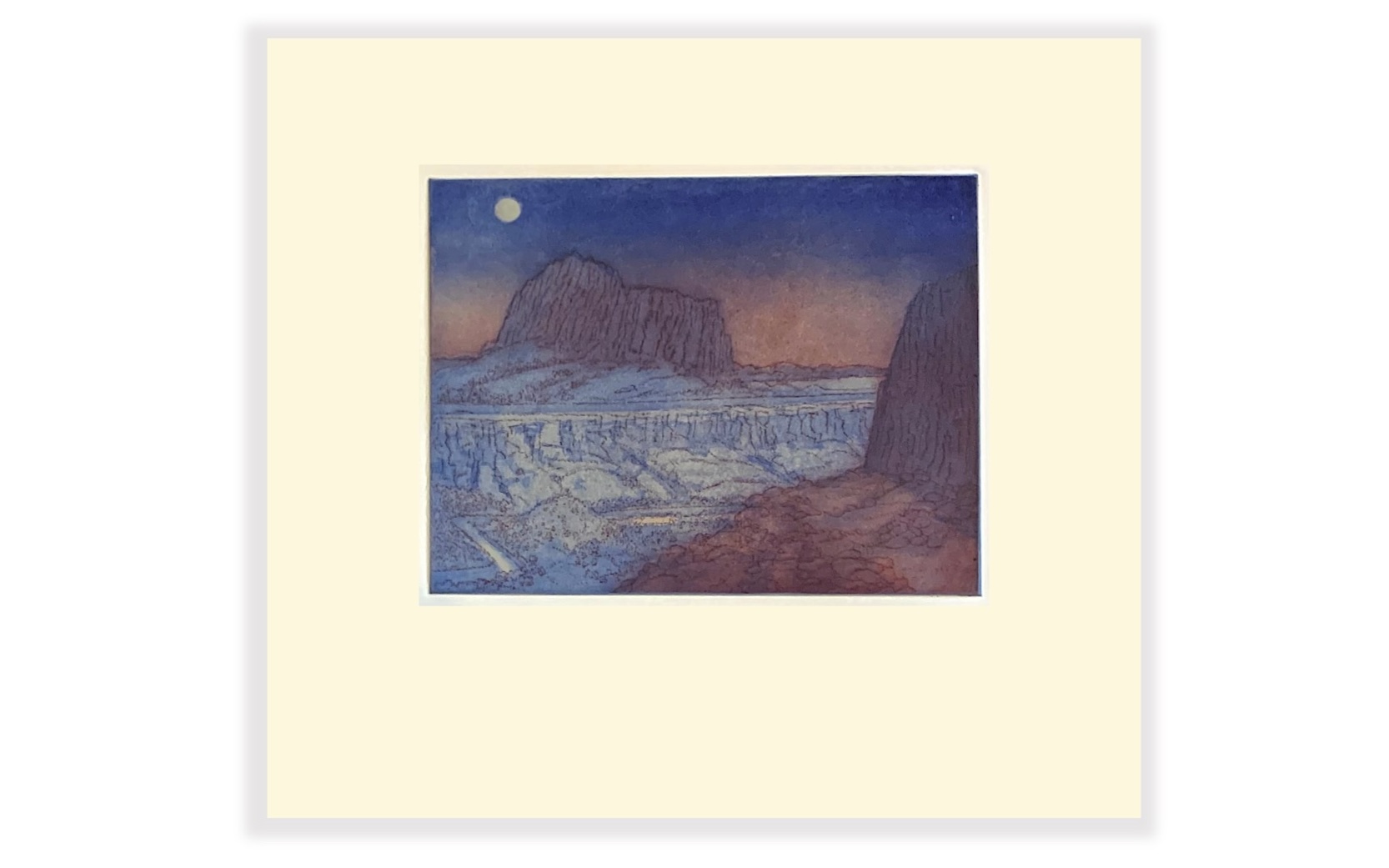
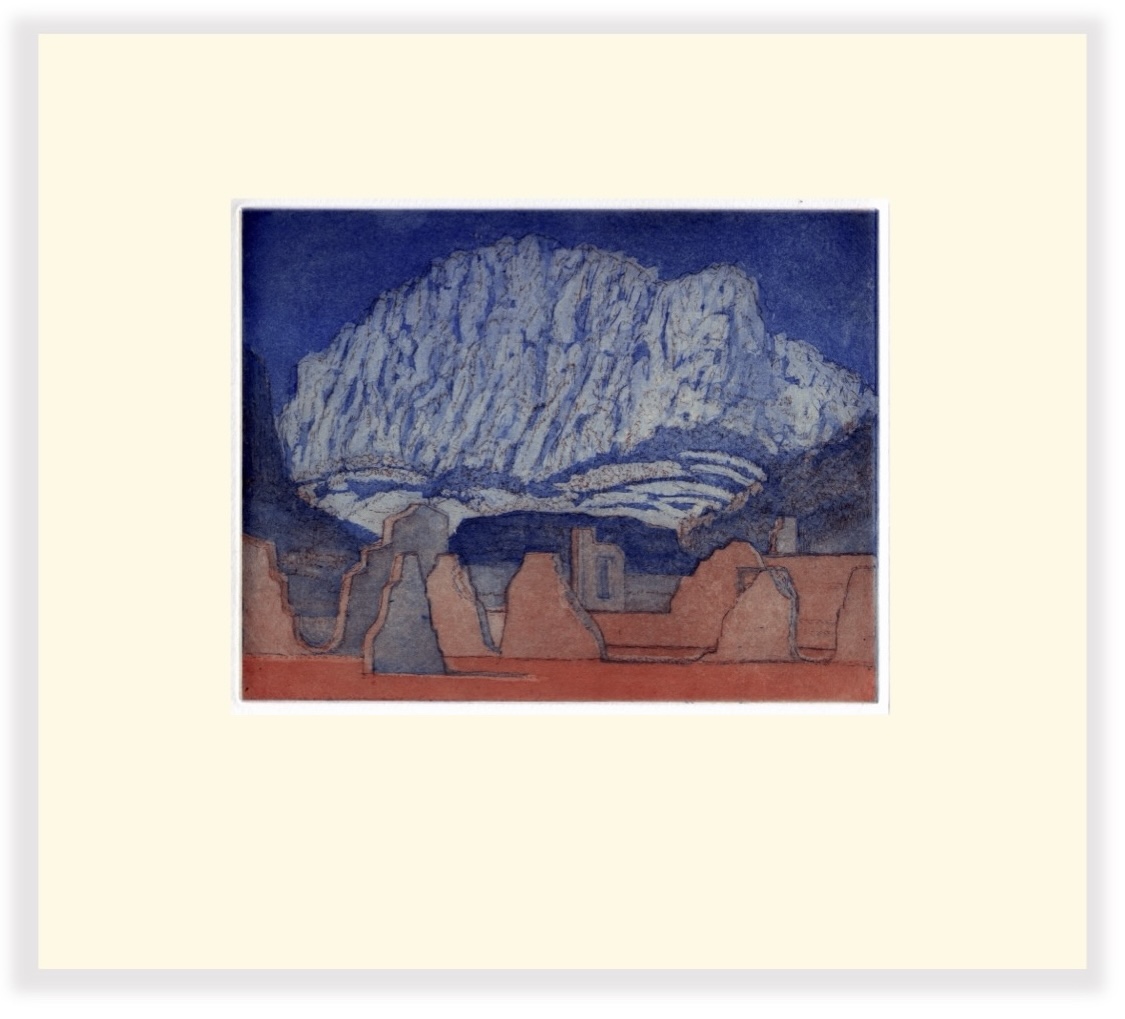
These hand-pulled color etchings are printed on 11 x 14-inch (27.94 x 35.56 cm.) acid-free Somerset paper produced by St. Cuthbert’s Mill, in the Cathedral City of Wells, England. Copper plates were used in pairs to create each of these intaglio prints, which celebrate the haunting beauty of the southwestern landscape. Like Frederic Church’s Heart of the Andes, these images are composites that blend observation, memory, and imagination. Individual artist’s proofs go on sale June 14, priced at $800.00USD. Needlewatcher Editions plans to release limited editions of 30, later this year

EXCLUSIVE TIME-SENSITIVE OFFER

The first ten (10) prints in each of these editions are being offered in tiered discounts to subscribers, on a first-come-first-served basis. Our goal is to raise funds for the production of the edition from sales of prints to investors in this project.

Place your order by May 15 to pay $430 USD for numbers 1-5, or $480 USD for #s  6-10

Place your order by June 1 to pay $530 USD for numbers 1—5: or $580 for #s 6-10

For a  $200.00 USD deposit (25% of the retail value) you can put dibs of the print(s) of your choice.. Purchasers will be billed for the balance due when the print(s) are ready to ship. Explore volume discounts applied to purchases of five or more prints by emailing us at

ed******@ne***********.com


. Deposits must be received by the dates given below, in order to secure your order(s).


Place your deposit for DESERT NOCTURNE (Above)


Place your deposit for MOUNTAIN ELEGY (Above)

Please state your purchase preference(s), and send your deposit to—

PayPal username

ed******@ne***********.com


Venmo username https://www.venmo.com/u/NEEDLEWATCHER-EDITIONS-1
Or send a check to: Needlewatcher Editions. PO Box 233. Essex, New York. 12936 Credit card payments by phone: +1 (347) 266-5652

Thanks for your support!

James Lancel McElhinney is a visual artist, author, and appraiser. He holds an MFA from Yale, where he also received the Ely Harwood Schless Award for excellence in painting. He attended the Skowhegan School of Painting and Sculpture, and holds a BFA from the Tyler School of Art. McElhinney is the recipient of fellowships and grants, including a 2017 Pollock Krasner Grant, and a Visual Artist fellowship from National Endowment for the Arts. His upcoming solo show American Nocturnes will open at Gerald Peters Gallery in Santa Fe, New Mexico, on June 14, 2024. Notable prior exhibitions include James McElhinney: Discover the Hudson Anew (2109-20) at the Hudson River Museum in Yonkers, NY, and On the Water: The Schuylkill River, at Independence Seaport Museum in Philadelphia. PA. He is the author of six books on art including the Sketchbook Traveler series. Website: www.mcelhinneyart.com, His artworks can be found in the following collections:

Asheville Art Museum, Asheville, North Carolina
Avery Fine Art and Architecture Library, Columbia University. New York, New York Boscobel House and Gardens, Garrison, New York
Chrysler Museum, Norfolk, Virginia
City of Philadelphia. Water Department Archives.
Danville Museum of Fine Art and History, Danville, Virginia
Denver Art Museum. Institute for Western Art. Denver Colorado
University of Denver. Library Special Collections. Denver Colorado
Free Library of Philadelphia. Print and Picture Collection
Greenville Museum of Art, Greenville, North Carolina
Historical Society of Pennsylvania. Philadelphia, Pennsylvania
Hudson River Museum, Yonkers New York
Huntington Library and Museum, San Marino, California
Medical College of Virginia. Art Collection. Richmond, Virginia
Museum of the Southwest. Midland, Texas.
Newberry Library. Chicago, Illinois
New York Public Library. Wallach Division of Art, Prints and Photography
Osher Map Library and Smith Center for Cartographic Education. Portland, Main Pennsylvania Academy of the Fine Arts. Archives and Special Collections S Swarthmore College, Swarthmore PA
Temple University. Samuel L. Paley Library Special Collections
West Point Museum, United States Military Academy
Yale Beinecke Rare Book and Manuscript Library. New Haven Connecticut


BACKROADS / FOURLANE: ROADTRIP: From the Mohawk to the Schuylkill


April 2, 2024. Arrangements has been made for me to work with master printer Cindi Royce Ettinger from Wednesday April 3, through Friday April 5, 2024. When heavy rains and flooding were predicted to hit the New York Metro area, I decided to drive from the Adirondacks to Philadelphia via a more westerly route serving less traffic. From the Champlain Valley, my eroute took me south around Albany, then west on Interstate Highway 90, then southwest at Schenectady on I-88. At Central Bridge I decided to continue southward on state highway 30 through Schoharie and Middleburgh. The two-lane blacktop follows Schoharie Creek to the headwaters of the Delaware River, just west of Grand Gorge. Highway 30 then follows the east branch of the river southward through Roxbury—the hometown of a most unlikely duo—notorious Gilded Age robber-baron Jay Gould, and inspirational writer-naturalist John Burroughs. This was the same route that during the Revolutionary War had been followed by John Butler and Mohawk war-chief Thayendanegea (Joseph Brant) as loyalist forces sowed death and destruction across the Leatherstocking frontier of New York and Pennsylvania.

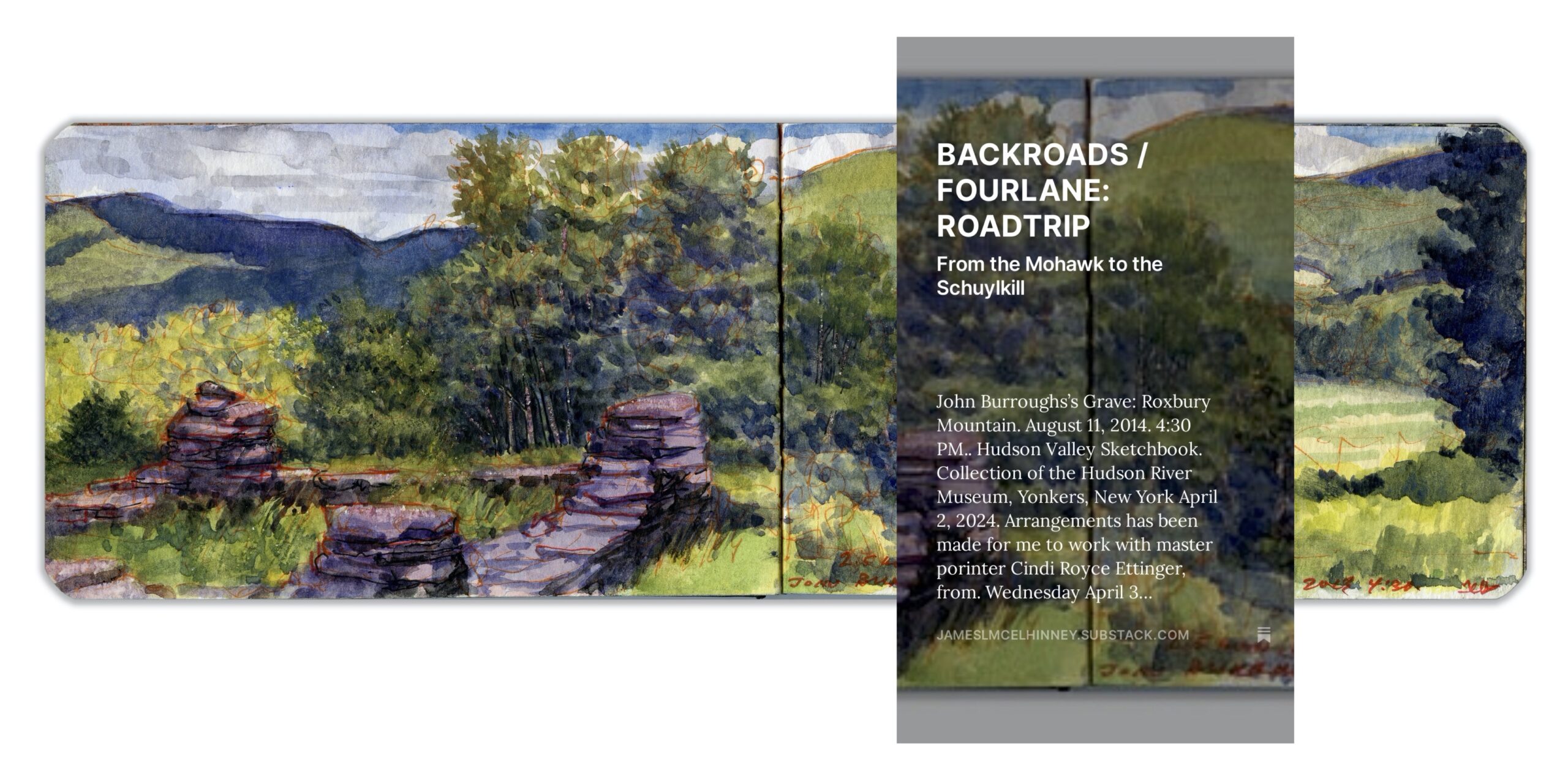
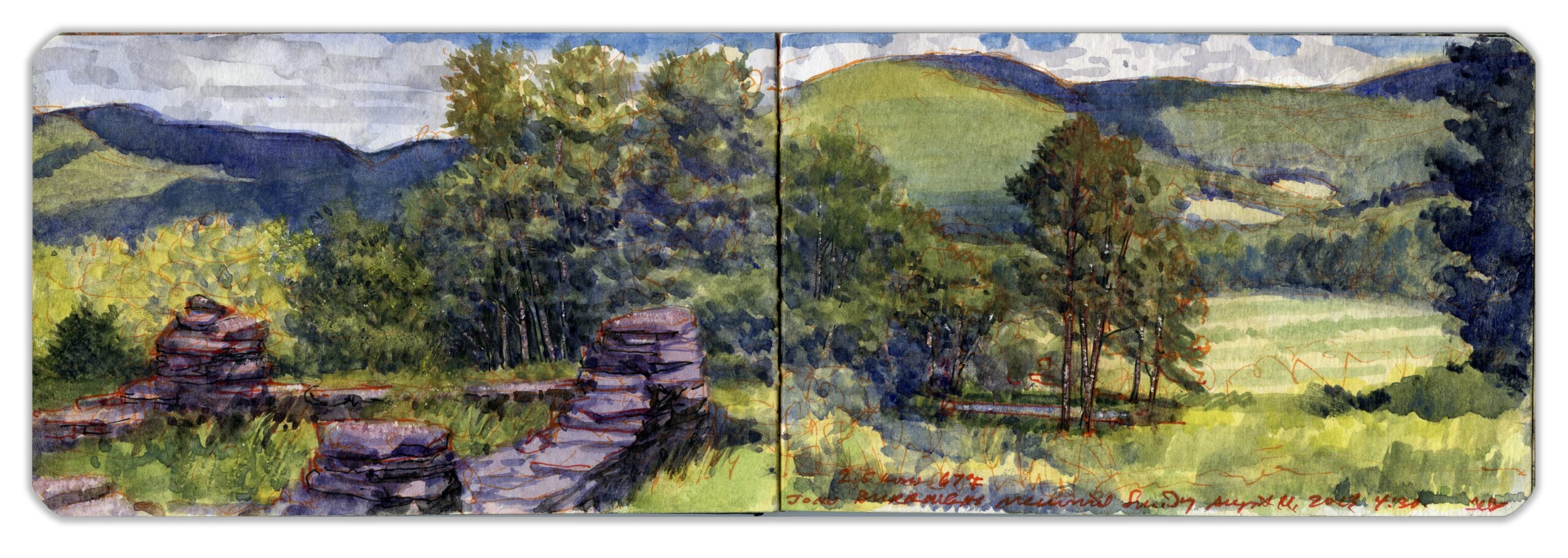
John Burroughs’s Grave: Roxbury Mountain. August 11, 2014. 4:30 PM.. Hudson Valley Sketchbook. Collection of the Hudson River Museum, Yonkers, New York

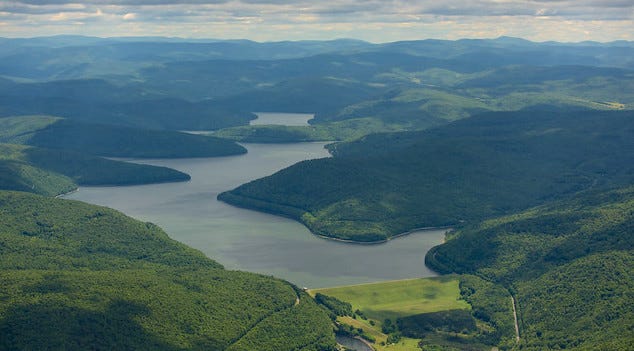
           A dozen miles downstream at Margaretville the river suddenly widens. First settled in the early 18th-century, the bustling village was named for a niece of Hudson Valley patroon Robert Livingston. In 1779, independence-minded settlers were driven off their land by Butler and Brandt, only to return at war’s end four years later. Sawmills and tanneries were established along the river’s banks, which by the mid-19th century supported a collection of hamlets with names like Shavertown and Arena, that in 1954 were inundated by the completion of the Pepacton Reservoir, which bears the name of yet another drowned village. Driving along the winding road through a dense forest above its southern shore, brown-and-yellow Catskill Park signage marks the former sites of submerged settlements. With a capacity of more than four hundred thousand square meters in volume, or roughly 114 million gallons, this artificial lake is the single largest source of drinking-water for New York City. From its outflow at Downsville dam, the Delaware bends southward to its confluence with the Beaverkill River at East Branch; a whistlestop hamlet a dozen miles upstream from Hancock. Rising in the southern Catskill highlands on the edge of the former Borscht Belt, the swift-running river has long been a magnet for fly-fishing purists angling for trout.

Pepacton Reservoir. Downsville, NY. New York City Department of Environmental Protection. Commenced operations in 1954. 25% of the city’s drinking water comes from this lake

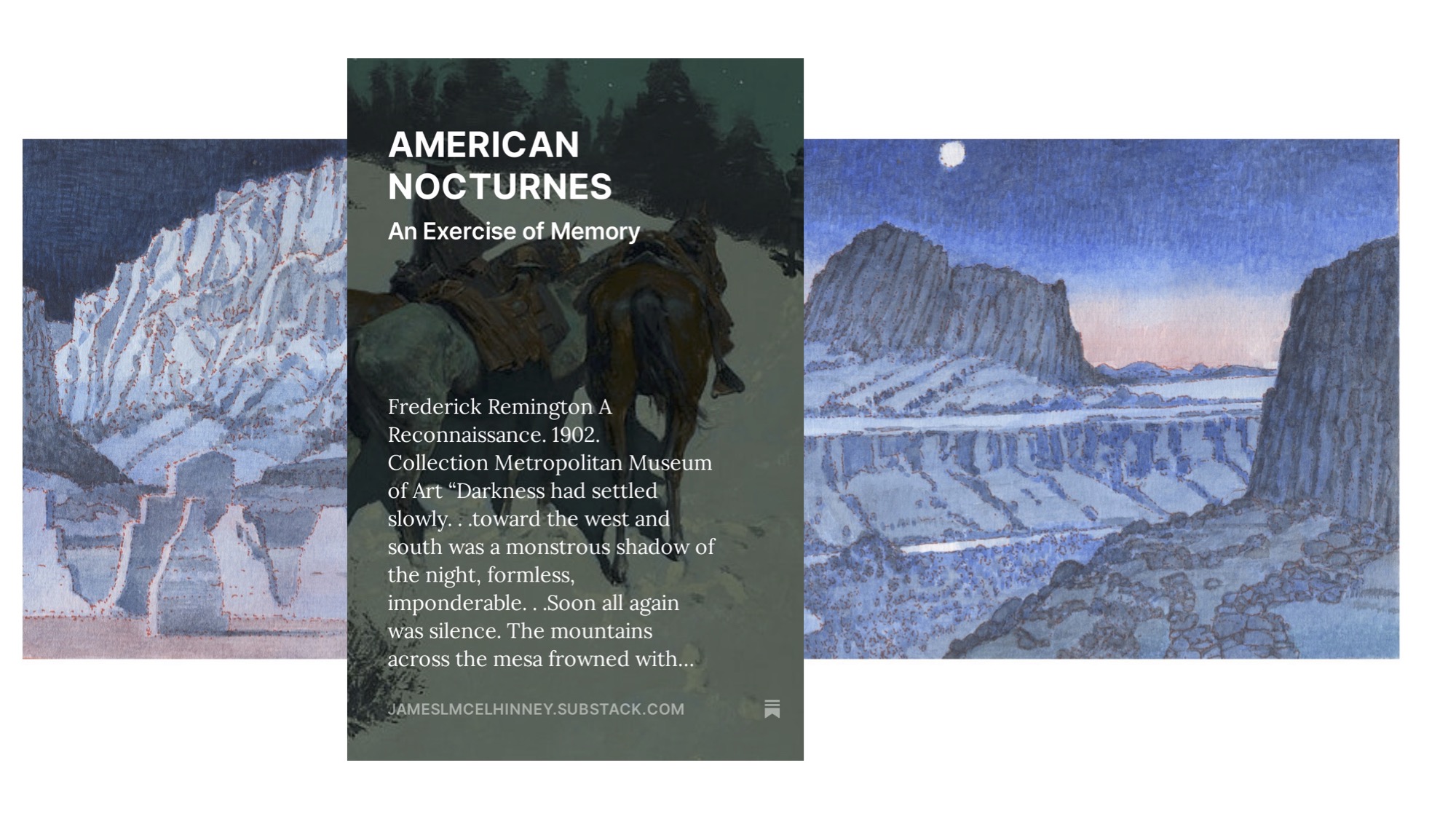
AMERICAN NOCTURNES: Beauty in Shadowed Realms

“Darkness had settled slowly. . .toward the west and south was a monstrous shadow of the night, formless, imponderable. . .Soon all again was silence. The mountains across the mesa frowned with black shaggy brows and relapsed once more into slumber”

            —Frank Waters (1902-1995) The Lizard Woman. 1930

The night belongs to no one, and to everyone. Places familiar in daylight no longer resemble themselves at night. While danger may lurk in the umbrage, starry skies have guided far-faring mariners and overland trekkers to safety; and the unlucky amongst them to Hamlet’s “undiscovered country.” Limited vision requires us to call upon other senses, memory, and the imagination. Fact melts into fiction, until the hard light of day breaks night’s spell.

On July 1, 2015, painted through the night at the summit of Kilauea, only to discover that despite an adequate headlamp, and a midriff-high geodesic survey marker for my drafting-table, what began as an exercise in observation quickly became an exertion of memory. American painters, from Alfred Pinkham Ryder, Ralph Blakelock, Frederick Remington, to Georgia O’Keeffe, Edward Hopper, and Yvonne Jacquette, celebrated the night in their works. They resisted optical verisimilitude, despite the fact that O’Keeffe and Jacquette both were married to photographers, and the others would have had access to the medium. Under a night sky, daylight facts dissolve into uncertain wonders. Such poetic subjects conveyed less hard data, and thus fell outside the purview of expeditionary artists like Seth Eastman, Karl Bodmer and Alfred Jacob Miller, or Ned and Richard Kern. And yet these artists fascinate me more than the far-more fashionable solitary genius focused only on self-expression. These artist-explorers endeavored both to harvest military intelligence, and expand scientific knowledge, through the creation of aesthetic documents. A similar balancing-act exists in today’s representational art. At one end of the experiential see-saw sits aesthetics; at the other end, the optical facts. Complete fidelity to physical subjects is often achieved at the expense of deeper truths, hidden beneath the facts.

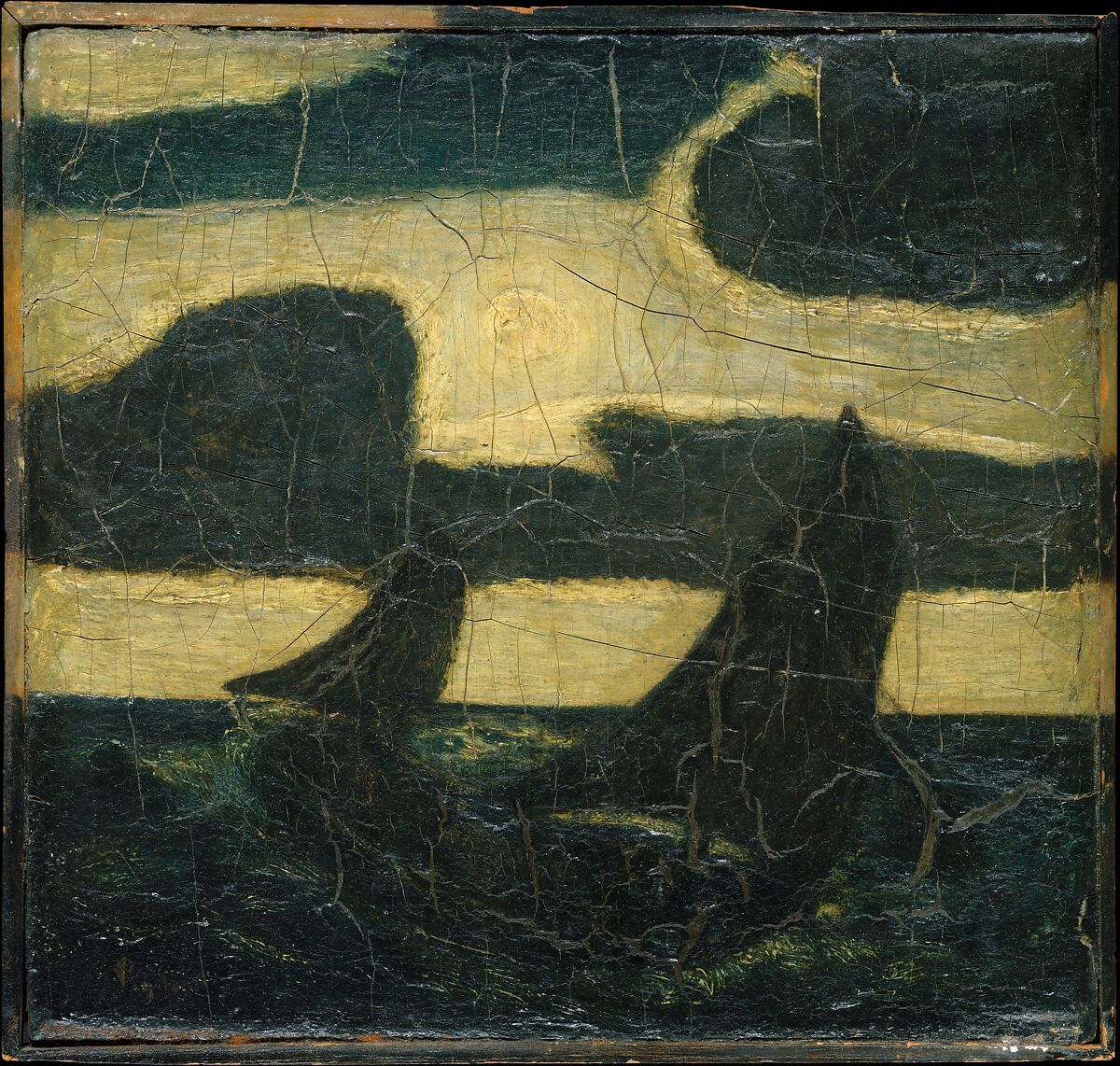
Albert Pinkham Ryder. (1847-1917) Moonlight Marine.1870-90. Metropolitan Museum of Art. New York

Society has beguiled itself into believing that landscapes are not merely human conceits, inscribed upon the terrain. Nature may seem less submissive when the night falls, plunging the world into darkness. But anyone who has spent a night at the summit of an active volcano knows, the earth never sleeps. Daylight reminders of this fact now occur with greater frequency, The habitual mysteries and terrors of the night are intensified by floods, storms and rising seas. And yet there is beauty in shadowed realms, captured in the woodblock prints of Japanese artist Kawase Hasui, and centuries earlier, the Chinese practitioners of shan-shui painting. According to Robert Macfarlane,

“Night was especially marvelous to them, because of the clear luminous presence of the moon, and its ability to silver the world into strangeness.”

Field Guides to Mindful Travel: Special offer from Ecoartspace.com: 3 books for the price of two: Click the image below

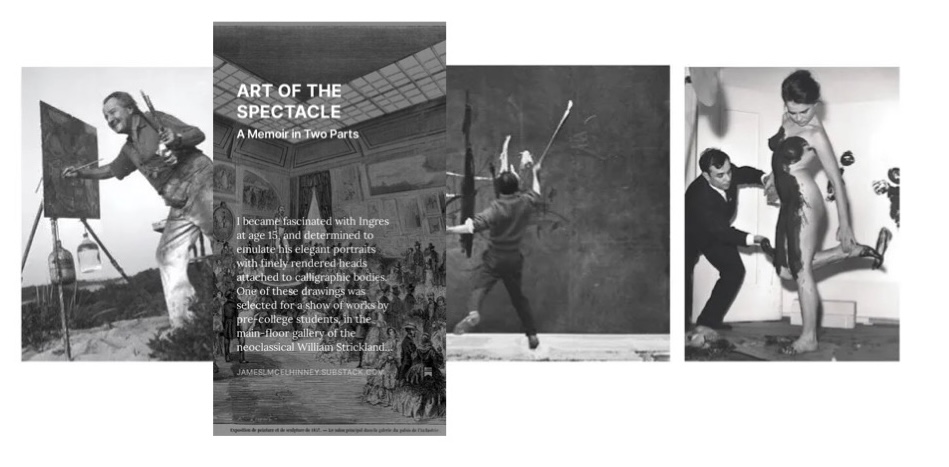
ART OF THE SPECTACLE: A Memoir. Part Two

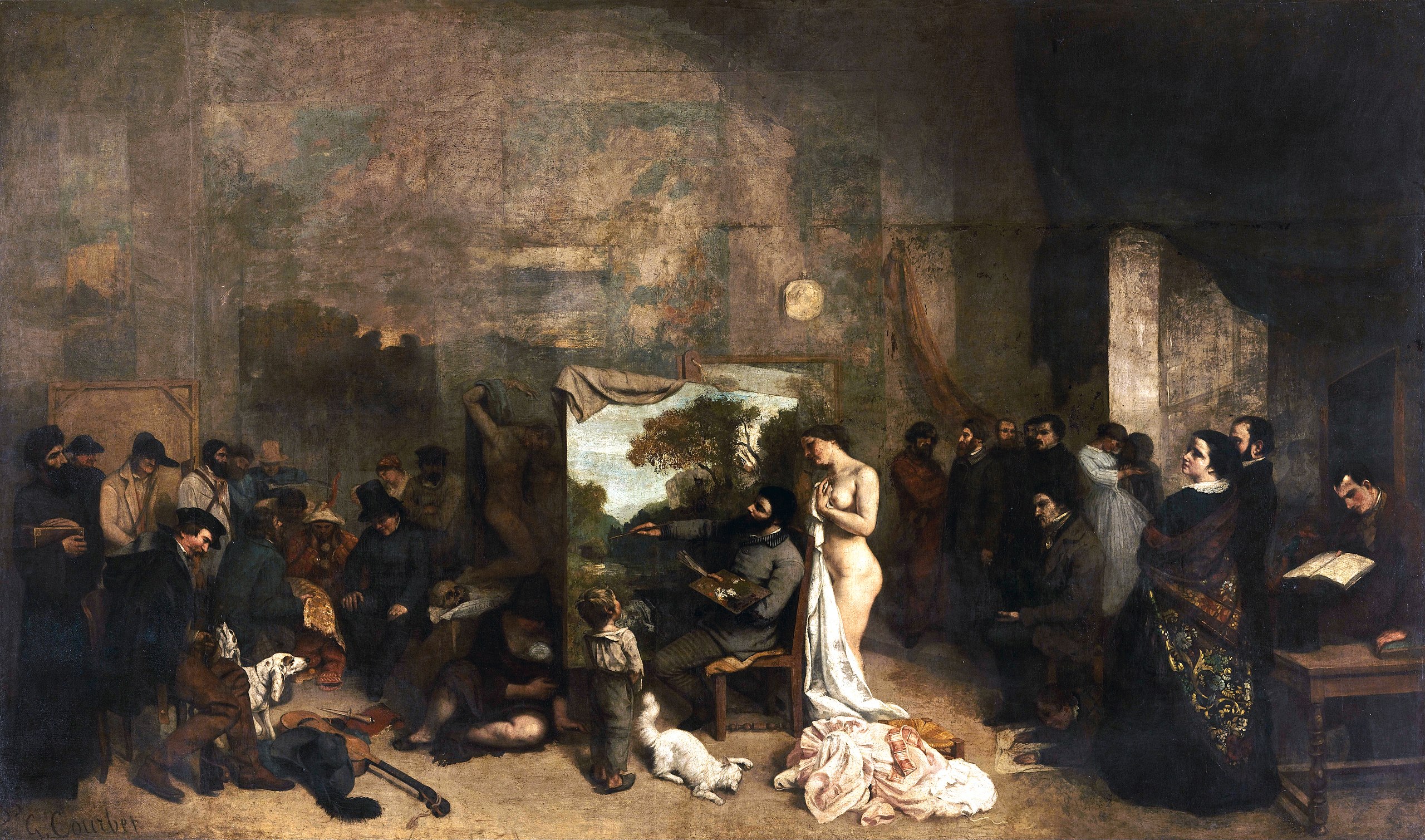
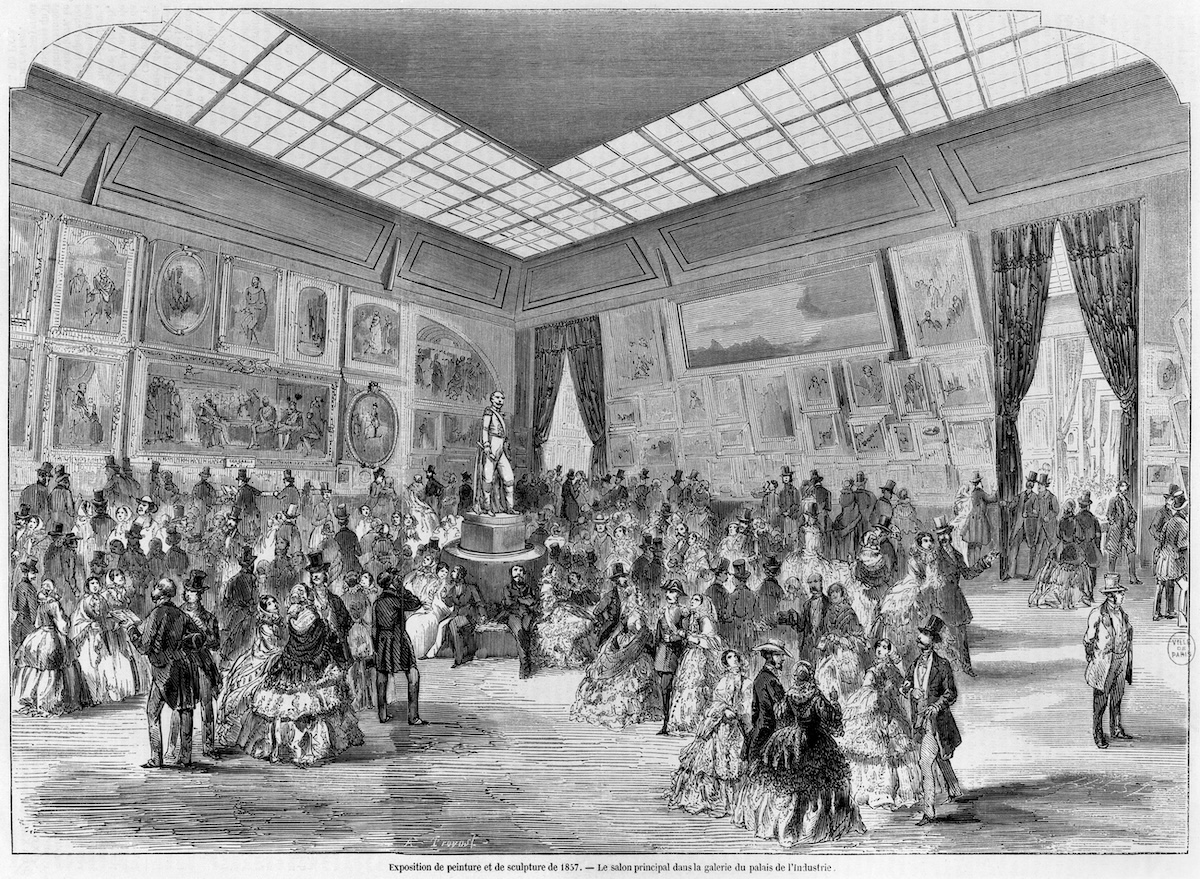
Personal exhibitions arose from the art-market shifting from a commission-based economy, to one in which self-motivated artists produced speculative bodies of work for unknown buyers. The art gallery as such did not exist prior to the 19th century. Its emergence as a business-model for selling art in a primary market coincided with the rise of international expositions, such as London’s Crystal Palace in 1854, and theatrical presentations by showman-artists such as George Catlin, whose Indian Gallery toured Europe and the United States in the 1830s and ‘40s. Frederic Edwin Church toured monumental show-pieces such as Heart of the Andes, to be viewed by ticketholders, in America and abroad. Gustave Courbet’s monumental painting The Painter’s Studio: A real allegory summing up seven years of my artistic and moral life, completed in 1855, embodies the Bohemian beau-ideal of the artist as a defiant, egocentric, solitary genius that arose from the revolutionary fervor of the 1830s and ‘40s. the artist portrays himself as a roughneck Napoleon, attended by the admiring cognoscenti of the Parisian demimonde.

From its very beginnings, the nascent avant-garde cultivated performative dimensions. Artists staged tableaux-vivants. Clad in 16th-century attire, Worthington Whittredge posed for a portrait by Emmanuel Leutze. Marcel Duchamp vamped for the camera as Rrose Sélavy, and Jackson Pollock dribbled paint for filmmaker Hans Namuth, and photographer Rudy Burkhardt. When Bob Rauschenberg erased a drawing given to him by Bill de Kooning, the act was intellectualized as a meditation on presence and absence; one process reversing another; hastening the entropy to which all materials succumb. Whatever it was, it was definitely an act—just not the kind Ed Sullivan might book for his Sunday night variety show. (Excerpt) James L. McElhinney (c) 2024

CLICK on the image below to learn more about

ART OF THE SPECTACLE: A Memoir in Two Parts

“I soon discovered that by walking into the loading-dock, and then up a flight of stairs, one could bypass the admission desk. Perhaps because I wore a coat and tie, the security guards never challenged me. They may have mistaken me for the offspring of a curator, or board member. My parents were nonplussed one day, when one or two of the guards greeted me with friendly nods. During one of my solo Saturday visits, I spotted a herd of well-dressed adults making their way into the special-exhibitions galleries. Being curious, I followed them into the opening reception of a van Gogh retrospective. My mother owned a copy of Lust for Life, but despite having seen the movie, and Starry Night at MoMA, being surrounded by dozens of Vincent’s paintings was overwhelming. Standing in the center of the room was a tall man with an aquiline nose and thinning gray hair. Beside him stood an attractive woman, helping him greet a steady flow of well-wishers. I hung back, but he caught my eye and smiled. The man was Vincent Willem van Gogh; the artist’s nephew.”


WAKING THE DEAD: Shades of the Late Unpleasantness

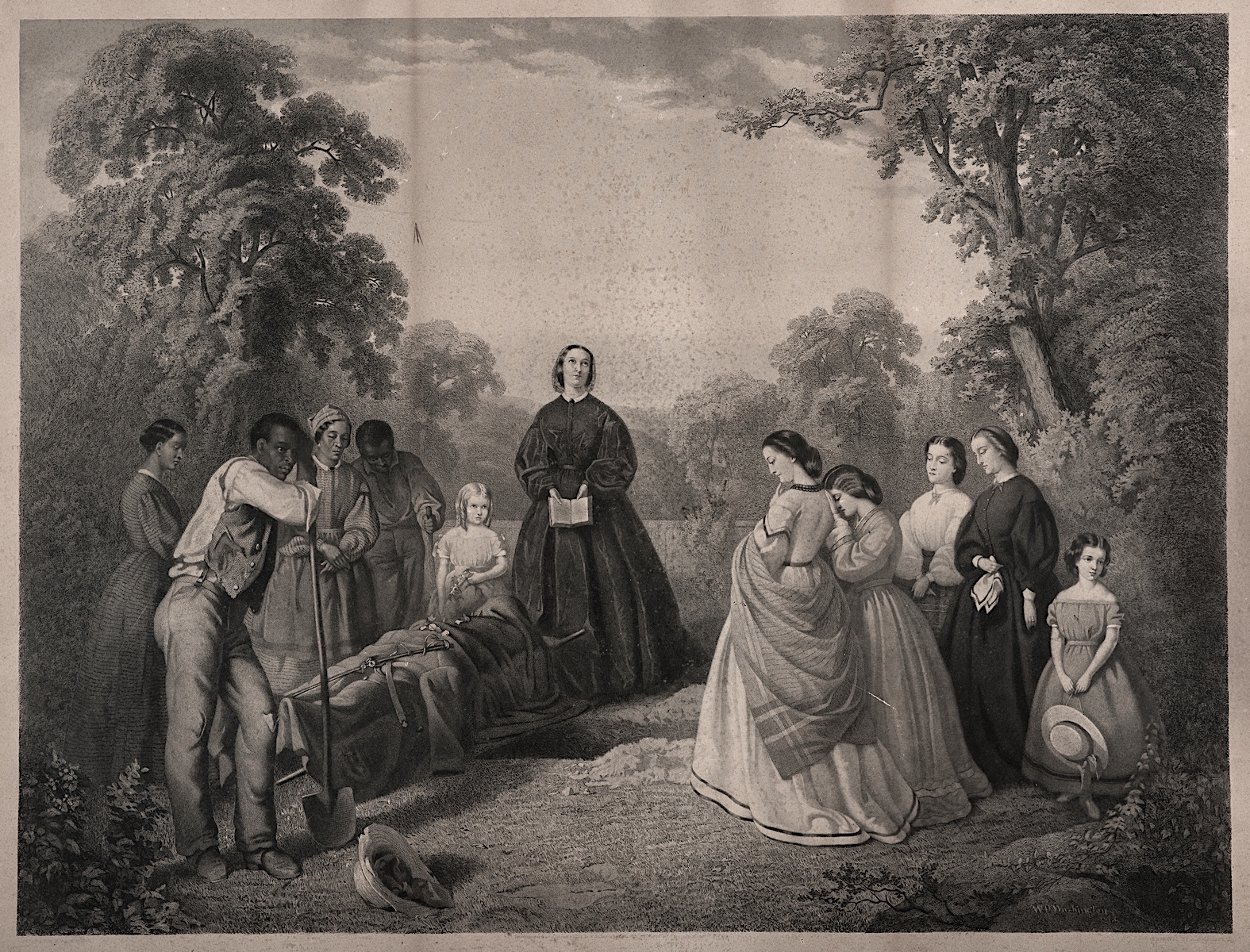
William H. Washington . The Burial of Latané. 1864. Engraving by A.G. Campbell. Collection Virginia Historical Society. Reproduced under Fair Use, etc.

“Getting back in the car, we drive back to River Road, which curves leftward in its descent to the floodplain. Flanked  on both sides by farm-fields, the road comes to a T-intersection. Straight ahead lies a band of trees along the Pamunkey River. To the south, fields stretch into the distance. The ground rises gently, forming low bluffs on the right. At the tree-line we make a ninety-degree left-hand turn, and then left again onto a grassy farm-road running between the fields. Now heading west, the fields on either side are planted with corn, with stalks eight to nine feet high. I ask Willie if being in high corn was the same as being in high cotton. She couldn’t say. We turn right onto another farm-road running north between the fields. Patches of the maize the size of city blocks had already been harvested, hewn to a stubble. Through one of these clearings I behold a cluster of trees. Following another bumpy farm-road, we come to a grassy lane, turn right and find ourselves at the edge of a small family graveyard. Willie is amazed at the remoteness of the site, comparing it to the spot where Stonewall Jackson’s arm is buried, on the Lacy farm near Wilderness Church. Getting out of the car, we walk around the little park. Planted with boxwood hedges, an ancient tree towers overheads, providing welcome shade. Arrayed within the walls we find an orderly collection of eighteenth-century stone sepulchers, but no sign of Latané’s grave. Nestled within a clump of shrubbery we find a cast-iron state historic marker set atop a stone altar. Its text unfolds the tale of Latane’s death, and his burial by the Brockenbrough women. Setting her homemade wooden box-camera on a tripod, Willie makes half a dozen exposures. Finally, I am ready for my closeup. She readjusts the camera. I lean on the marker. With utmost gravity, Willie says, “Now. Hold still!” “Don’t forget to get the ghost,” I shoot back. “That’s not funny!” she replies with a pained look. “Hold still. Don’t talk.”

Follow The Sketchbook Traveler on Facebook, Linkedin, Twitter and Instagram.

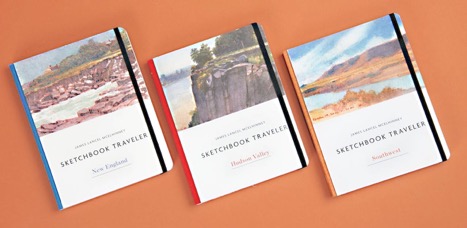
Now available: SKETCHBOOK TRAVELER: Special Offer from Ecoartspace.org: All three volumes for $45.00 (a savings of $29.85) ORDER HERE